 EN
EN

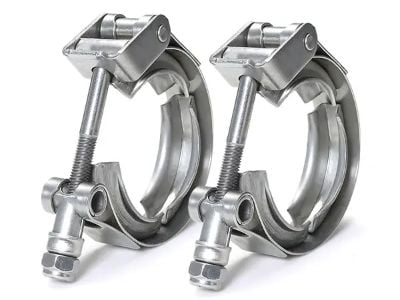
Choosing the right automotive hose clipp is key for keeping your car's fuel and cooling systems run smooth. Hose clips hold the hoses tight, stopping leaks and make sure all works fine. If you choose wrong clipp, it might lead to issues like fuel leaking or the engine get too hot. At Sanxing, we understand how vital it is to get good clips. This guide help you figure out how to select the proper automotive hose clipp for what you need.
How to Spot Good Automotive Hose Clips for Best Results?
When searching for solid automotive hose clips, there is some things to look at. First off, check the material. Good clips usually made from stainless steel as it fights off rust and rusting. If the clipp go in a spot that's hot or damp, stainless steel one will hold up better. Next, look the design. A nice design clipp apply even squeeze around the hose. This keep the hose safe without hurt it. Also, it's wise to see the clipp's finish. Smooth finish prevent scrapes on the hose.
And you should consider how simple the clipp is to put on. Some clips you can tighten with hands, others need tool. Pick one that feel easy for you. Another point is the clipp's power. Strong clipp hold the hose steady, even with shakes from the motor. Look online for reviews and scores; they give idea of how it perform in real use. Good clips cost more a little, but they save cash later by avoiding leaks and fixes.
How to Pick the Correct Size Automotive Hose Clipp for Fuel Lines?
Picking right size hose clipp matter a lot, special for fuel lines. Clipp too small don't grip hose enough, which cause leaks. One too big may not fit good and get loose. To get right size, measure the outer diamter of hose. Use caliper or tape. After measure, find clipp that sit snug on the hose.
It help to see maker's specs. They list hose sizes that fit their clips usually. If not sure, ask at auto store. They guide you based on your numbers. Remember some hoses expand or shrink with heat and pressure, so pick clipp with some give.
For hoses that swell when hot, adjustable clipp work great. That way, it keep tight even if size change. Besides size, think about fuel type. Some clips made for certain fuels, so check that. At Sanxing, we offer various clips for many hose sizes and kinds, to get best work from your car.
When putting on automotive hose clips for fuel and cooling, do it right to stop leaks and troubles. First, get right size clipp for hoses. Clips come in sizes, so check hose diamter and choose snug fit. After pick clipp, clean the spot. Remove dirt or old stuff because clean area help clipp hold better. With area clean, push hose on fitting firm. Then, slide Sanxing hose clipp over hose. Position it even for seal. Next, tighten with screwdriver or wrench. Don't over do it, as that damage hose. Tighten till snug, not too much. After, check for gaps. If see any, fix hose or clipp till secure. Last, run car and look for leaks. If leaks show, adjust or swap clipp. These steps make sure clips install good, so systems run smooth.
The Life Span of Automotive Hose Clips and What Affects It
Longevity of automotive hose clips get hit by few things. Main one is clipp material. Sanxing clips use top materials that fight rust and rusting, so they last more. If clipp from cheap metal, it may rust soon, special if wet or chemcials around. Another factor is where car drive. Like, in extreme temps, hot or cold, it affect clipp work. Heat make clipp expand and weak, cold make brittle. Plus, shakes from engine and road loosen clips time to time. To make clips last longer, check them regular for wear or hurt. If rust start or loose, replace before trouble. Tip: don't tighten too much when install, as that cause early break. Good care and checks catch problems soon, so Sanxing clips go long as can.
Troubleshooting Issues with Automotive Hose Clips
So, even top automotive hose clips sometimes have probs. If leaks appear or hoses feel loose, time to fix. First, see if clipp installed right. Make sure tight but not over, like before. If loose, tighten more. If still not hold, clipp maybe broke or wrong size. Then, swap with new Sanxing clipp that fit perfect. If clipp look fine but leaks keep, hose might be crack or worn. Check hose for damage like splits. If bad, replace hose to stop more issues. Sometimes, fitting where hose join cause problem. Clean it from dirt, as junk make bad seal. If all check and still trouble, see a mechanic. Fixing can be hard, but with these steps and regular looks at Sanxing hose clips, your car systems stay running good.