 EN
EN

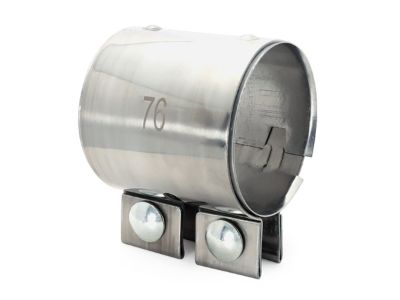
Frequent check-up and replace the flawed part in our Sanxing pipe clamp, is essential to maintain our Sanxing exhaust muffler clamps in the best operating condition possible. If we leave out some nuts and bolts or gaskets, we can keep the products from malfunction and improve operation efficiency as well.
Replace your rotted out parts of exhaust muffler clamps
When it’s time to change out sensitive parts from your exhaust muffler clamps, it’s a good idea re-evaluate the maintenance schedule. By looking at the state of bolts and gaskets, we can also detect signs of wear which might adversely affect the functionality of the clamp. For instance, if the bolts are rusted or just loose, they may not give a tight seal and you have leaks or trouble. Exhaust leaks can also be caused by faulty gaskets, which will deteriorate over time and allow the engine’s fumes to escape from the chamber of the muffler, thus rendering it less effective in reducing noise and may also cause slow overall vehicle performance. By replacing these frail components with its durable steel construction, we can once again rely on our Sanxing exhaust muffler clamps to do the job right.
How to test bolt wear on exhaust muffler clamps?
One method to tell when the bolts are worn on a exhaust muffler clamp is to just look at them. Inspect the bolt for rust and corrosion or any damage that may call for replacement. And also make sure the bolts do not loose and unstable, if they lost or unstable please tighten or replace new one. Another option is to torque the bolts. If they can't be torqued to factory specs, it could be time for a new set. However, by actively monitoring and replacing bolts in our Sanxing exhaust muffler clamp 2.5 when necessary, we can keep them functioning at their peak for as long as they are of use to us.
Wear detection in gaskets of exhaust muffler clamps:
The gasket at the other end of these is vital for making a tight seal to prevent exhaust leaks. A way to check gasket wear is to discard the head and look around the clamp area for any black soot or signs of leak. Also, inspect the gasket material for any visible cracks or tears. If you see any of these indicators, replace the gasket as soon as possible to avoid damaging the rest of the exhaust system.
How to maintain exhaust muffler clamps in the best way?
There are a few tips when it comes to maintaining your exhaust muffler clamps so that you can get the most use out of them and extend their lives. Check the clamps and gaskets for wear, if necessary, replace at regular intervals. Also you don't want to cause any leaks, so make sure when you put those brackets on, you torque the clamps down with the manufacturer's right amount of pressure. Do not drive through rough terrain or deep water: the clips may be damaged. By following these tips, you can maximize the life of your exhaust muffler pipe clamp and avoid expensive repairs.