 EN
EN

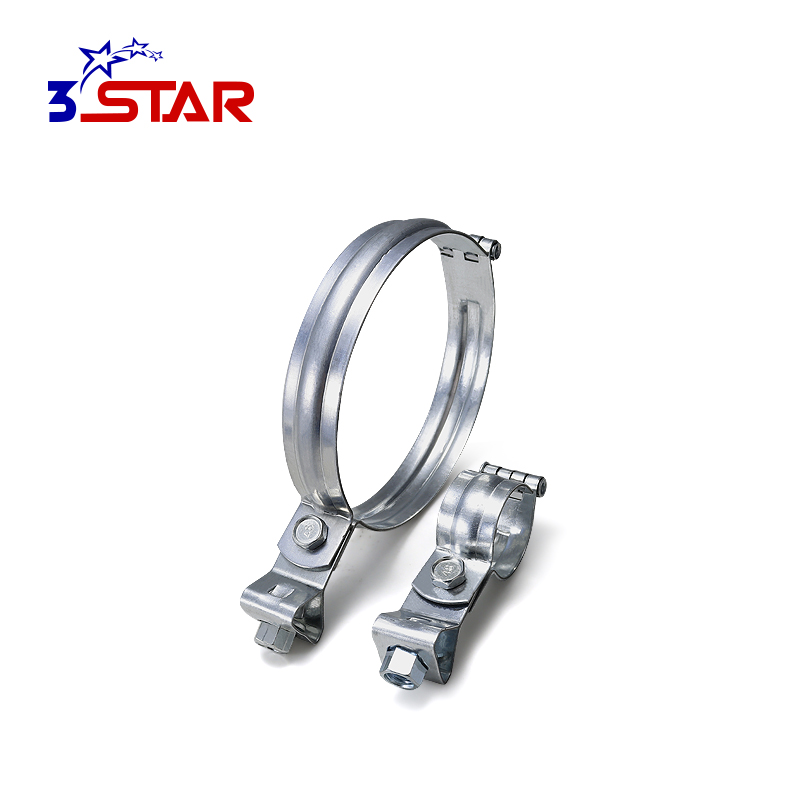
The spacing of pipe clamps are very important to the stability and working efficiency of a piping system. We at Sanxing know the fixing density have to be calculated according to the standard of size and operating medium weight. Optimize the Function of Your Industrial Piping Systems with Proper Pipe Clamp Spacing If you thought brackets spacing is not important, think again. A lot of factors come into play when calculating the appropriate spacing for pipe clamps. Let's take a closer look at how to calculate pipe clamp spacing for your best operating performance and efficiency.
Optimizing Efficiency Through Pipe Clamp Spacing
Correct spacing of pipe clips is critical to avoid 'Snake N' Bake', or other lateral movement as well as vibration in the pipework system. Without proper support, pipes can be under tension or bend and cause leaks or other issues. By knowing the fixing density in relation to the size of the pipe and medium carried, you can ensure that your pipes are sufficiently supported, at all times. For instance, where the heavier weight of larger materials cannot be supported, center lines should be placed as close together as deemed necessary and closer than what is specified for lighter material such that they will support the load where it is concentrated. In another aspect, smaller pipes that have less load do not need that frequent a pipe clamp spacing. Pipe Clamp Spacing— Looking Pretty and Working Right How you space your pipe clamps is the key to everything being plumb. Temperature variance and environmental conditions had been considered along with operational demands in order to identify a suitable amount for pipe clamp spacing in order of achieving greater results.
How to Calculate Pipe Clamp Spacing for Ultimate Performance
Determining the appropriate spacing for pipe clamps is subject to a close look at the needs of your pipe-line. The fixing density is a factor that depends upon the diameter of the pipe and the weight of the medium being transported Runout values are obtainable by means of a simple formula which also takes these considerations into account. Begin by measuring the diameter of the pipe and then determining the weight of the material you’re transporting per linear foot. Now figure the overall weight that's going to need supported across the length of the pipe clamp. To ensure even weight distribution and make sure the support is adequate, you can calculate the space that should be in between pipe hangers with which to attach the clamps. Also consider factors like pipe materials, type of load being applied to the clamp, and operating temperature ranges when determining the spacing between pipe clamps. By accurately determining the ideal spacing for pipe clamps, you are able to speed up and improve your industrial piping systems while making sure they remain sturdy and durable throughout their lifespans.
If you’re trying to calculate the correct pipe clamp spacing for your installation, consider the diameter of the pipe and the weight of medium passing through it. It will enable you to name the right fix density so that your pipes are securely fixed Ok, let's discuss where to get dependable pipe clamp spacing products and how adjusting it we can obtain fixing density and also the common issues about its usage when we use it: How TO choose a Proper Pipe Clamp Spacing By using space.
Where to Buy Trustworthy Pipe Clamp Spacing Solutions
When you need dependable spacing pipe clamp, a supply routine like the one our company- Sanxing is known for will meet your needs. There are a variety of our spacing products, all manufactured from the finest materials and shop fabricated to industry standards available for your pipe clamps needs. You can purchase Sanxing products at hardware stores, online retailers and plumbing specialty suppliers. Always look at the product description to know exactly what you are getting as your project may require something more.
Fixed the Density Is Equal to The Appropriate Distance of Clamps
If you want an accurate fixing density and the right spacing of stainless pipe clamps, you must take into account at least the nominal pipe diameter as well as the weight of the medium. The distance between pipe clamps should be planned taking these factors into account so that support and fixity of the pipes can be maintained. Sanxing provides suggestions and recommendations to figure out the best space for pipe clamp products. Follow these guidelines, and you'll obtain the right density of pipes fixing preventing sag, leaks or breakage.
There Are Common Mistakes People Make When Measuring Pipe Clamp Distance From Each Other
One of the most common misuse problems in the design of pipe clamp spacing is underestimating how many clamp are need for a given weight of pipes and medium. That can result in insufficient support and potential pipe damage. Another problem is over clamping, which costs money and may not have any positive impact. The Sanxing guidelines should be adhered to and project-specific requirements should also be taken into account when estimating the pipe clamp spacing. This way you will save yourself from some common use errors and get the right fixing density for your pipes.
Table of Contents
- Optimizing Efficiency Through Pipe Clamp Spacing
- How to Calculate Pipe Clamp Spacing for Ultimate Performance
- Where to Buy Trustworthy Pipe Clamp Spacing Solutions
- Fixed the Density Is Equal to The Appropriate Distance of Clamps
- There Are Common Mistakes People Make When Measuring Pipe Clamp Distance From Each Other