 EN
EN

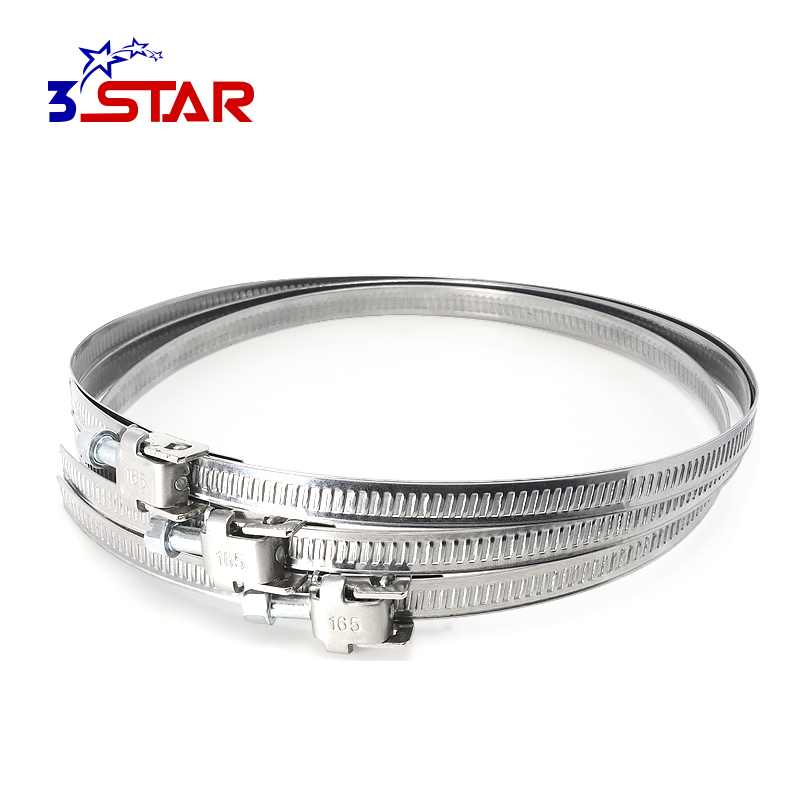
Selection of Spring Clamp Force - How to Select Spring Strength Based on The Weight of The Part You Are Clamping
The right spring clamp force is important for securing parts appropriately. Key to ensuring the component will remain firmly affixed w/o chance of movement or removal is a spring stiffness factor. Knowing how to calculate spring stiffness based on the weight of the object you are applying a clamp and what will work best when applied in heavy duty, medium duty or light stocking conditions for your application is crucial to achieving superior results, so let’s break down why it is important to secure components and find out what you need to know when finding the perfect spring clamp force.
Why it is Important in Protecting Parts
Maintaining parts in position is critical for the operation of many devices and devices. From tiny devices to huge machinery, the reliability and truth worthiness of parts are vital. In the absence of an appropriate spring clamp force to securing parts in place, would be a possibility of losing or shifting of parts during operation. This can result in malfunctions, hazards, and even damage to the equipment concerned. By choosing the right spring stiffness according to the weight of the affixing part, manufacturers can guarantee that their products can work well and have a long service life under all kinds of working conditions.
What You Need to Know
There are a variety of factors to consider when calculating spring stiffness to retain parts. The mass of the attachment to be fixed is a first factor that directly influences the spring force. Heavier parts will demand harder springs to resist clamping while lighter parts may require softer springs to avoid any damage during mounting or use. Besides, the material, shape, size, and direction of components also contribute to select the suitable spring stiffness. The chosen spring clamp force need to be verified with extensive testing and analysis that it is acceptable for the application specific operating conditions. By accounting for these and making informed design choices, producers can maximize their products’ performance and reliability while ensuring the safety of its end-users.
Selecting the Right Sanxing Spring Clamp for Your Needs
When you need good spring clamps, there are many reasons why Sanxing fits the bill. We are proud to offer the most extensive selections of springs. Sanxing’s springs are available at hardware stores, online retailers or through the company website. Selecting the proper spring clamp force consideration must be given to what is being clamped and how heavy it may be. The spring stiffness can be selected according to the weight of component, in order to have a safe and reliable lock.
The mistake whilst estimating the stiffness of spring One of the most common mistakes about the determination of the spring stiffness is forgetting to take into account mass (weight) is the rotating part. The weight of the part must be determined accurately so a spring integrating too weak or an overly powerful option is not chosen. When the spring clamp force is not strong enough, the component may slip off or loosen to risk of injury or damage. Your content goes here. Edit or remove this text inline or in the module Content settings. You can also style every aspect of this content in the module Design settings and even apply custom CSS to this text in the module Advanced settings. It can be relieved by considering the weight of the part when sizing the spring.
Spring rigidity for heavy objects can be easily calculated. Begin by calculating the weight in pounds of the piece. Next divide the weight by how far you want to compress the spring in inches. This value is your desired spring constant in pounds per inch. For instance, if the weight of the component is 10 lbs and the needed compression distance is 1 inch, then you would need a spring constant of 10 lbs per inch. Using this formula you can find out which spring stiffness is required to properly clamp heavy components. A wide selection of Sanxing high-quality springs can provide needed for tensile strength for secure clamping. Don't forget to take the weight of your part into account for your spring clamp force selection.