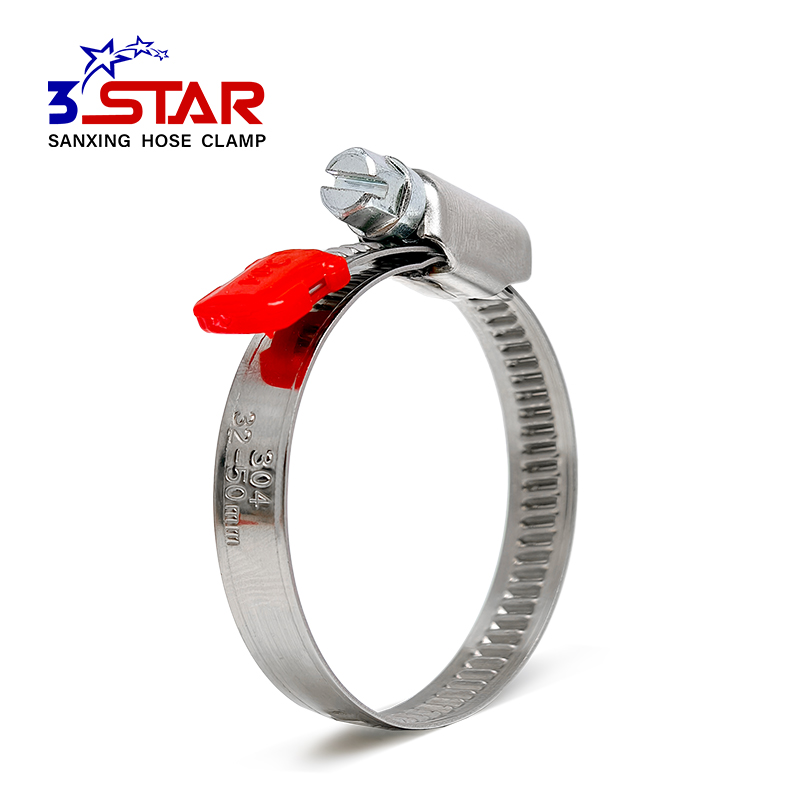
If you’re working on a plumbing, automotive or industrial hose connection and find yourself without dedicated hose clamp tools, don’t panic. Worm gear hose clamps are the most common type, and they can be tightened safely using everyday hand tools you likely already have on hand. This guide walks you through practical methods, safety tips, and common mistakes to avoid when tightening hose clamps without specialty tools.
Most standard hose clamps feature a screw-driven worm drive mechanism. The goal is to apply even pressure around the hose to prevent leaks, without over-tightening that cuts into the hose or distorts the clamp band.
Key Notes:
This is the most straightforward alternative.
If the screw head has hexagonal edges, an adjustable wrench works perfectly.
Tip: Avoid slipping the wrench, which can scratch the hose or damage the screw.
For emergency repairs when screwdrivers are unavailable.
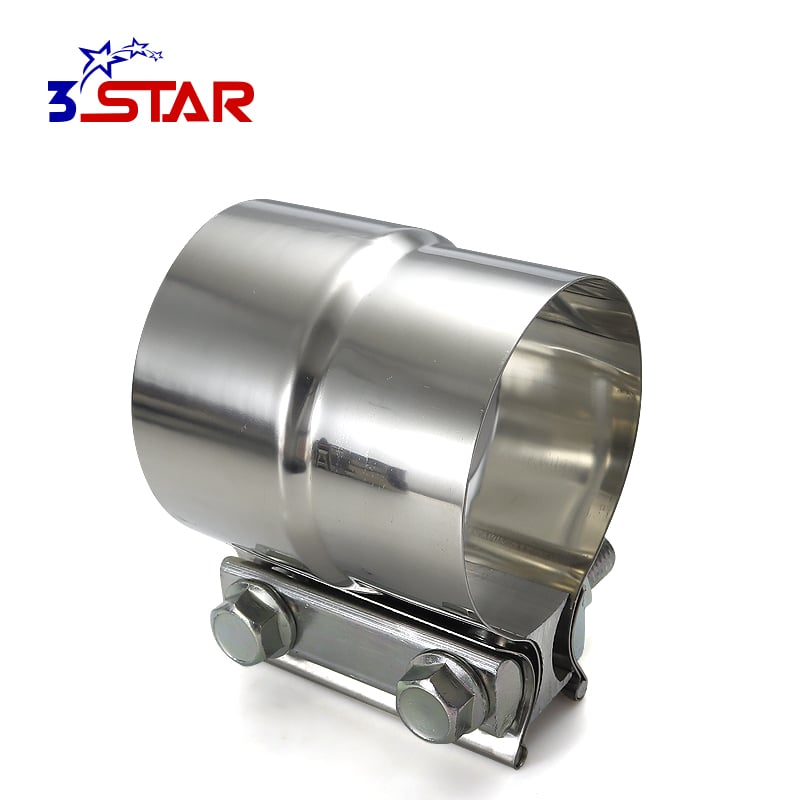
These no-special-tool methods work great for temporary fixes and routine installations. But for high-pressure industrial, heavy machinery, or long-term critical connections, professional hose clamp tools deliver consistent torque and better durability. For demanding applications, invest in quality heavy-duty hose clamps to secure your system reliably.
Tightening a worm gear hose clamp without specialized tools is achievable for most regular maintenance jobs. As long as you apply steady, moderate force and inspect the connection after tightening, you can get a secure seal. If you need high-quality worm gear hose clamps, heavy-duty T-bolt clamps and other hose fitting accessories, contact our team for product details and bulk pricing.
Contact Us Phone: +86-19331726596 Tel: +86-19331726596 E-mail: [email protected]
 Hot News
2026-03-25
2026-03-19
2026-03-11
2026-03-04
2026-02-27
2026-02-07
 EN
EN