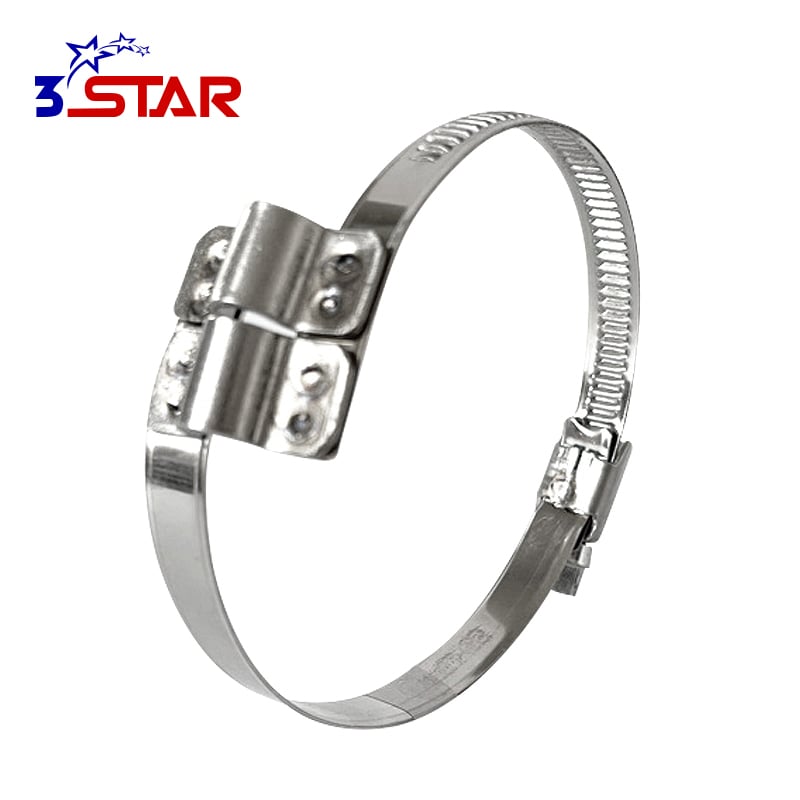
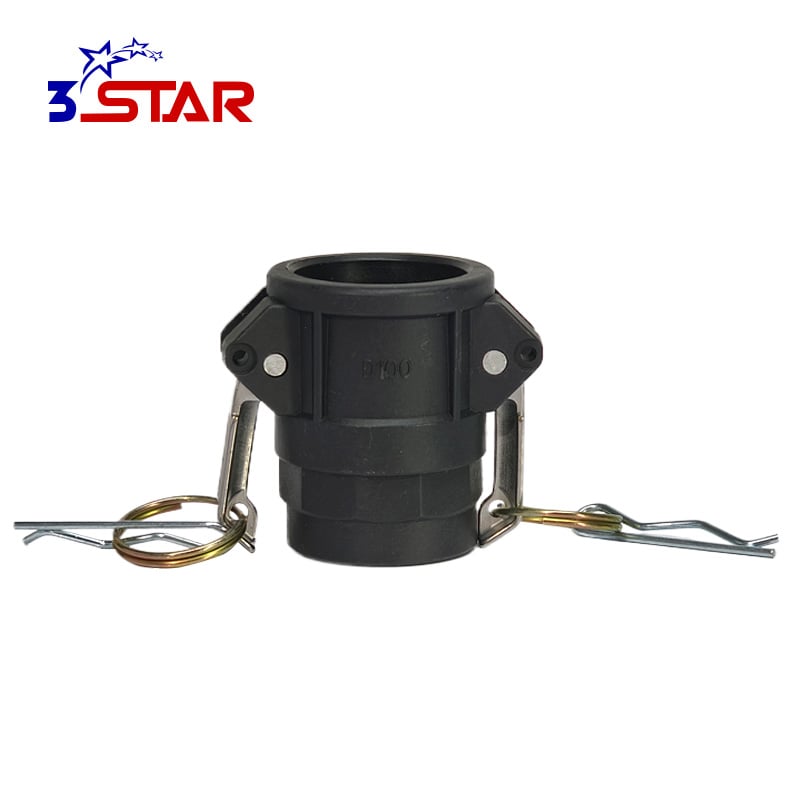
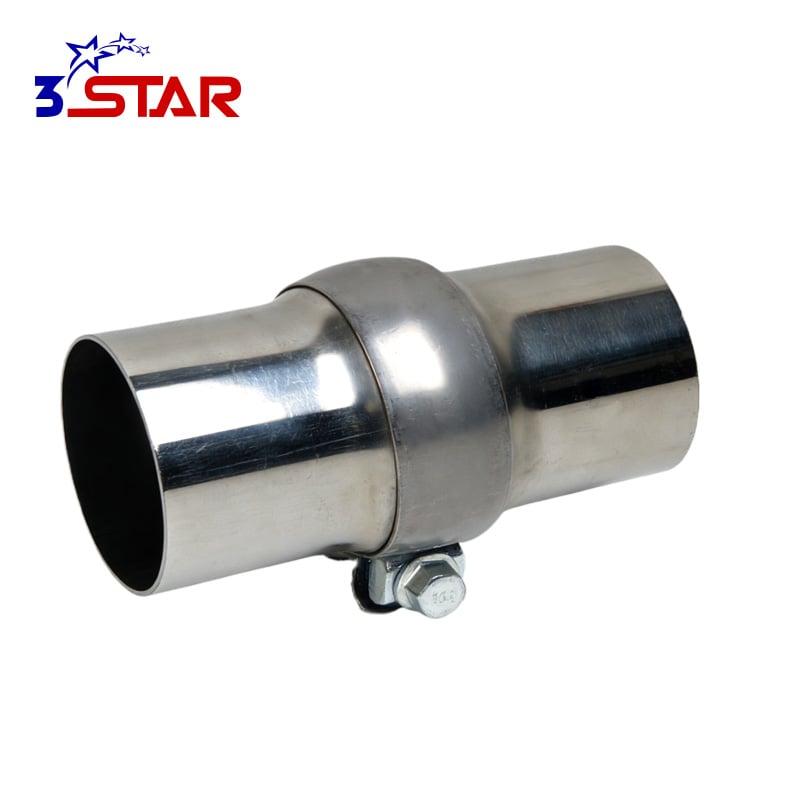
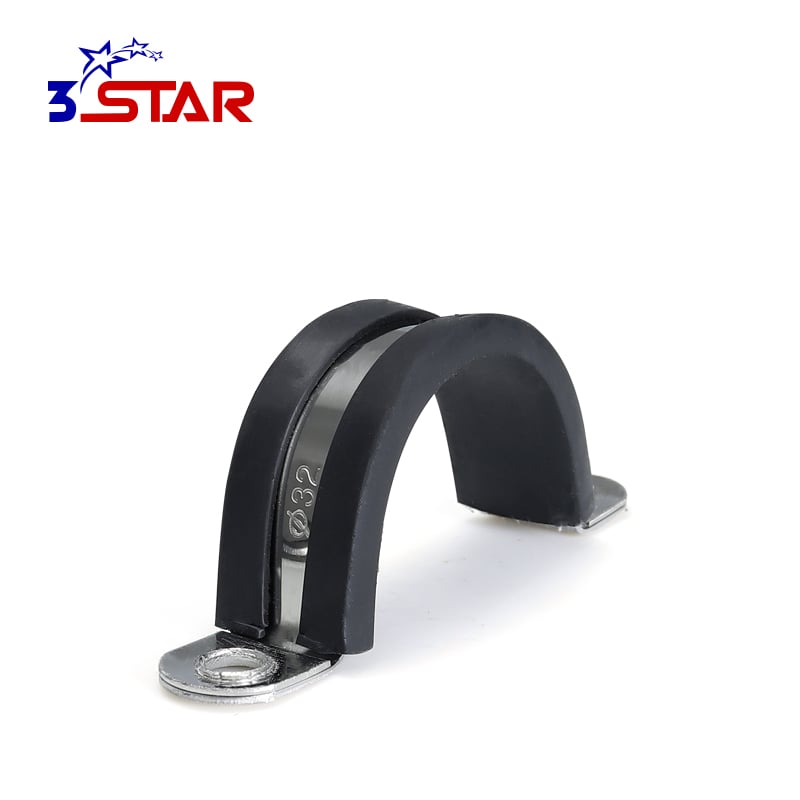
Clamps are critical for industrial operations across sectors, and their performance impacts safety and downtime. Extending their service life requires environment-specific maintenance, as corrosion, temperature, vibration, and debris vary by setting.
Targeted maintenance protocols can double or triple clamp service life. Below are actionable tips for common industrial environments to reduce costs and minimize downtime.
1. Automotive & Aerospace: High-Temperature, High-Vibration Environments
Automotive and aerospace clamps face extreme temperature swings (-40°F to 500°F+), vibration, and exposure to oils/fuels, accelerating wear and loosening.
Maintenance Tips:
-
Regular Torque Checks: Retorque every 500 operating hours (monthly for high-performance use) with a calibrated wrench to avoid over/under-torquing.
-
High-Temperature Lubrication: Apply heat-resistant, non-corrosive lubricant to bolts to prevent seizing from thermal expansion.
-
Gasket Care: Replace worn gaskets every 12–18 months (sooner if leaking); use silicone/Viton gaskets compatible with automotive/aerospace fluids.
-
Corrosion Prevention: Use 316 stainless steel/titanium clamps for aerospace; apply protective coatings to bolts.
2. Marine & Coastal Environments: Corrosion-Prone Settings
Saltwater, humidity, and salt spray cause rapid corrosion in carbon steel clamps, weakening components and causing leaks.
Maintenance Tips:
-
Material Selection: Choose 316 stainless steel, bronze, or plastic clamps; avoid carbon steel.
-
Routine Cleaning: Wash with fresh water biweekly; use mild non-abrasive cleaner for heavy salt buildup and dry thoroughly.
-
Protective Coatings: Apply marine-grade anti-corrosion spray/wax every 3–6 months to slow oxidation.
-
Inspect for Pitting: Check monthly for corrosion; replace clamps with visible pitting or rust.
3. Manufacturing & Industrial Plants: Dust, Debris & Chemical Exposure
Manufacturing clamps face dust, debris, chemicals, and temperature changes, which clog mechanisms and degrade materials.
Maintenance Tips:
-
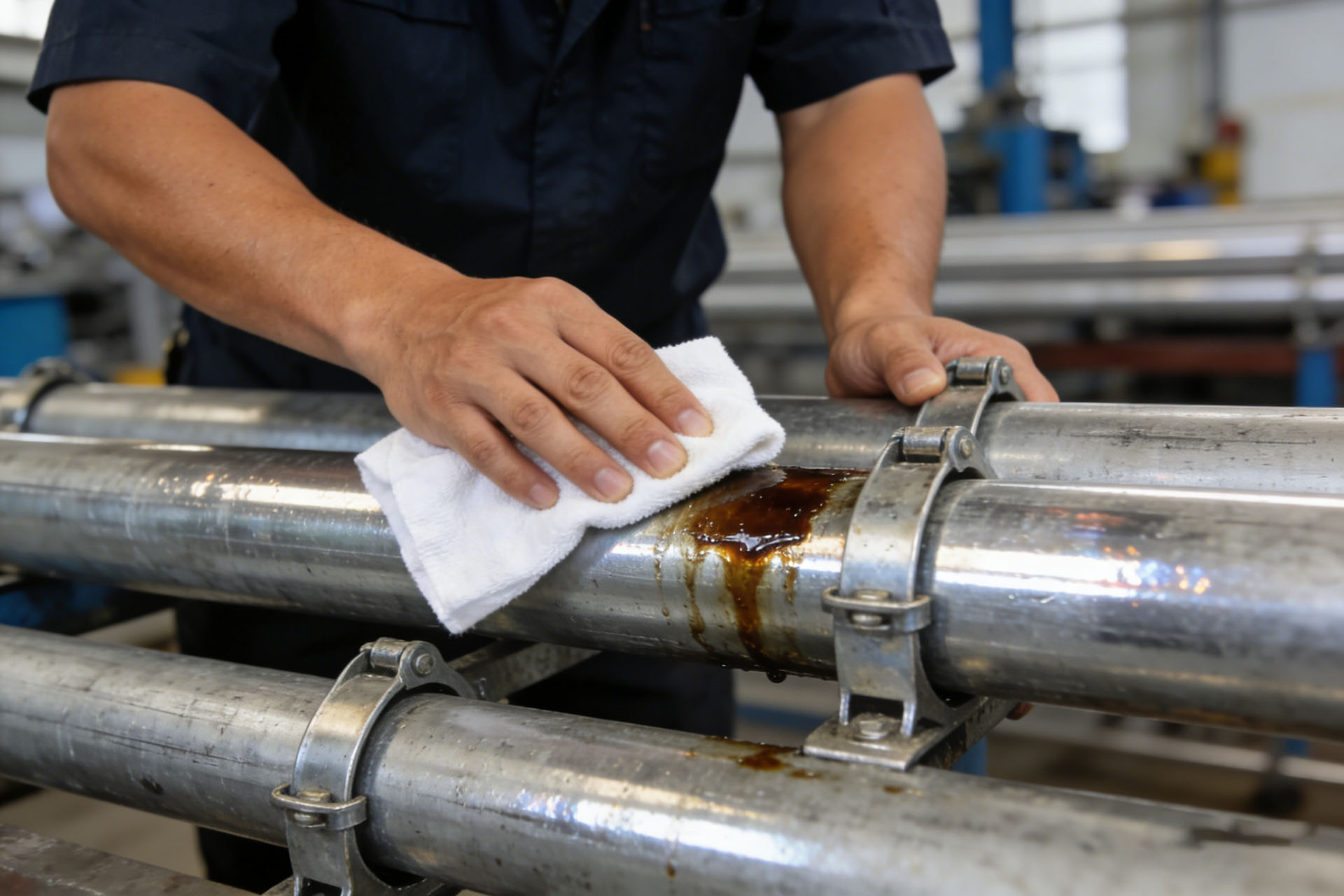
Regular Cleaning: Wipe dust-heavy clamps weekly; use manufacturer-approved solvents for chemical plant residue.
-
Seal Protection: Use dust caps to prevent debris buildup and uneven clamping.
-
Chemical Compatibility: Use Viton gaskets for solvents and food-grade silicone for food processing.
-
Preventive Replacement: Replace high-use clamps every 2–3 years, even if undamaged.
4. Cold & Extreme Low-Temperature Environments: Freezing & Brittle Materials
Freezing temperatures make materials brittle, crack gaskets, and cause ice buildup that loosens connections.
Maintenance Tips:
-
Low-Temperature Materials: Choose 304 stainless steel or reinforced plastic; avoid cast iron.
-
Ice Removal: Use a plastic scraper to remove ice; avoid open flames/high-heat tools.
-
Gasket Care: Use neoprene/EPDM gaskets; replace annually to prevent cracking.
-
Inspect for Cracks: Check monthly for fractures, as cold weakens metal over time.
Universal Maintenance Best Practices (All Environments)
Supplement environment-specific tips with these universal practices:
-
Document Maintenance: Log inspections, cleaning, and replacements for consistency.
-
Use the Right Clamp: Avoid undersized/oversized or incompatible materials to prevent premature failure.
-
Train Teams: Ensure proper inspection, cleaning, and torquing to avoid damage.
-
Replace Promptly: Replace worn/corroded clamps to prevent leaks and downtime.
Tailoring maintenance to your environment maximizes clamp life, reduces costs, and ensures system reliability. Proactive care is key to long-lasting performance.
For help selecting clamps or troubleshooting maintenance, contact our industrial fastener experts.

 Hot News
 EN
EN