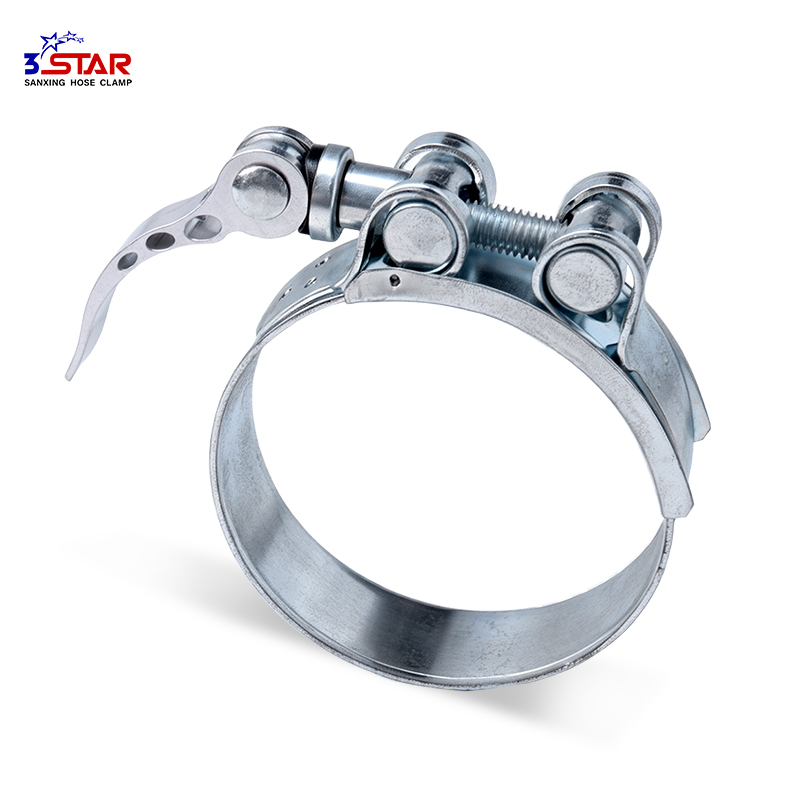
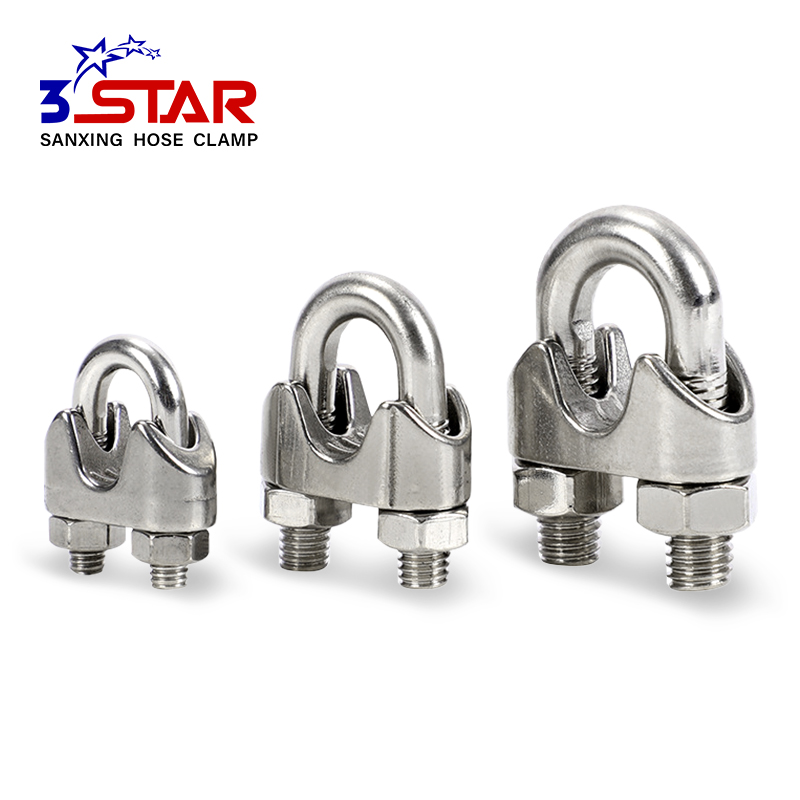
When placing bulk orders for single bolt hose clamps, picking the correct size is the most critical step. An ill‑fitted clamp will either over‑compress the hose and cause premature cracking, or stay loose and trigger leakage under vibration and pressure. Unlike small retail purchases, bulk ordering demands consistent sizing, clear measurement standards, and alignment with your hose specifications, working pressure and application environment. This guide walks you through the complete sizing workflow so you can place accurate bulk orders for single bolt hose clamps every time.
Single bolt hose clamps are sized based on the outer diameter (OD) of the hose after assembly, not the nominal inner hose size. This is the mistake many bulk buyers make.
If the hose is connected to a barb, nipple or pipe fitting, assemble the hose onto the fitting first, then measure the outer diameter of the hose at the joint. This final OD determines the required clamp working range.
Quick measurement tips:
Every single bolt hose clamp is marked with a working diameter range. It must be tightened inside this window to deliver reliable sealing.
For bulk procurement, always leave a reasonable margin. If your assembled hose OD sits right at the upper limit of a clamp range, choose the next larger size. When the system heats up, the hose will expand; a clamp with no extra travel will lose tension and leak. If the OD sits near the very bottom of the range, the bolt may run out of thread before generating enough clamping pressure.
Size selection cannot rely on diameter alone. Adjust your choice according to working conditions:
Once you lock down the diameter range, select the proper band width and material for your bulk order:
If you require custom widths or non‑standard diameter ranges for special piping layouts, notify your supplier early. Custom single bolt hose clamps can be produced for bulk orders to match non‑standard hose assemblies.
Ambiguous specifications are the top cause of wrong shipments for bulk clamp orders. When sending your inquiry, include these details:
A reliable manufacturer will cross‑check your sizing selection and suggest adjustments if your chosen range is risky for your application. If you do not have a finished measurement, you can send samples of your hose and fitting, so the factory can test fit and confirm the correct clamp size before mass production.
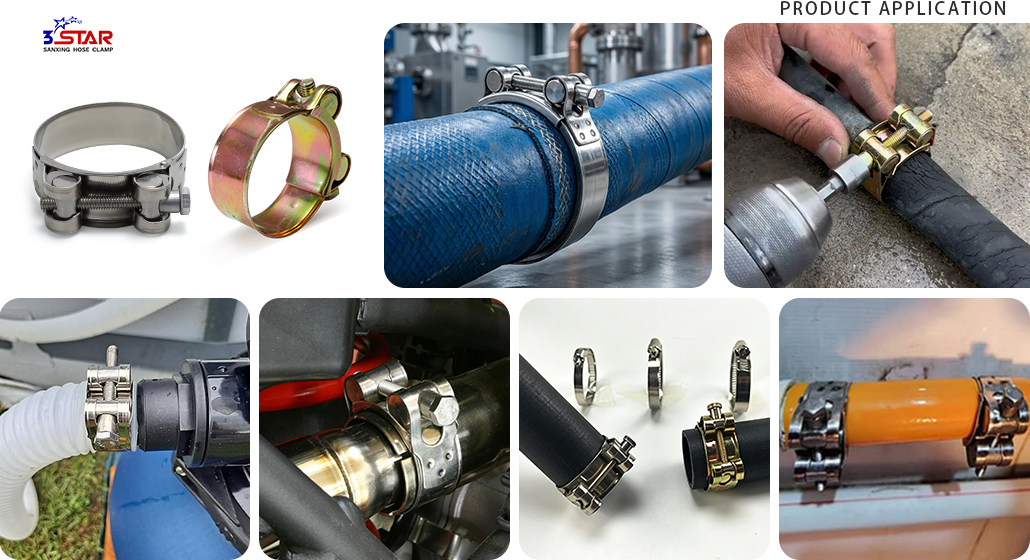
Correct sizing ensures leak‑free connections, cuts your after‑sales replacement cost, and makes installation much smoother for your assembly line. Taking time to standardise measurements before bulk ordering will save you from costly returns and production delays.
If you need support on sizing charts, sample testing or custom single bolt hose clamps for your project, feel free to reach out.
Contact Information Phone: +86-19331726596 Tel: +86-19331726596 E-mail: [email protected]
 Hot News
2026-03-25
2026-03-19
2026-03-11
2026-03-04
2026-02-27
2026-02-07
 EN