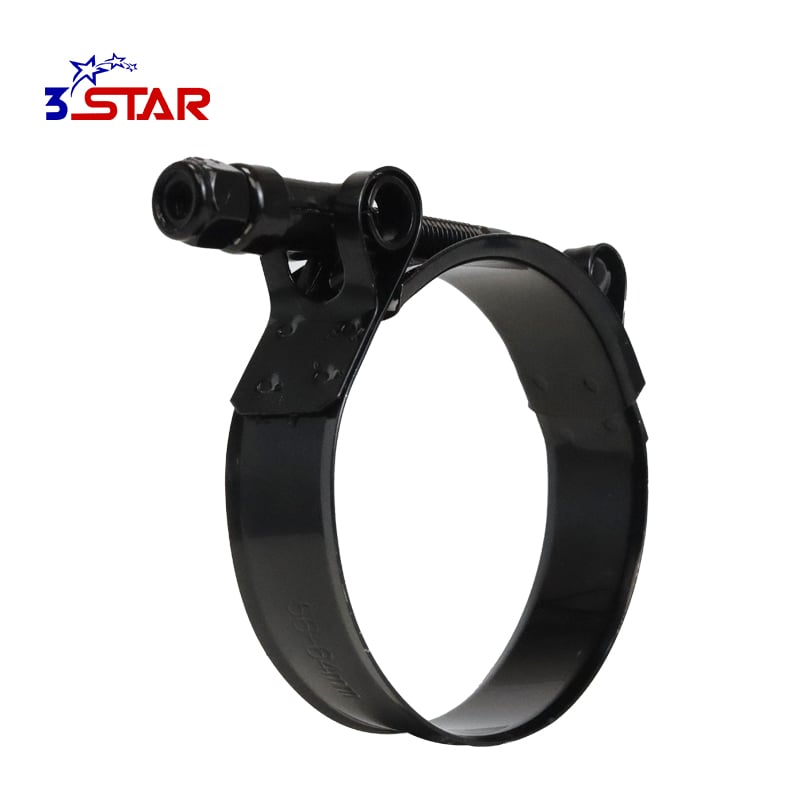
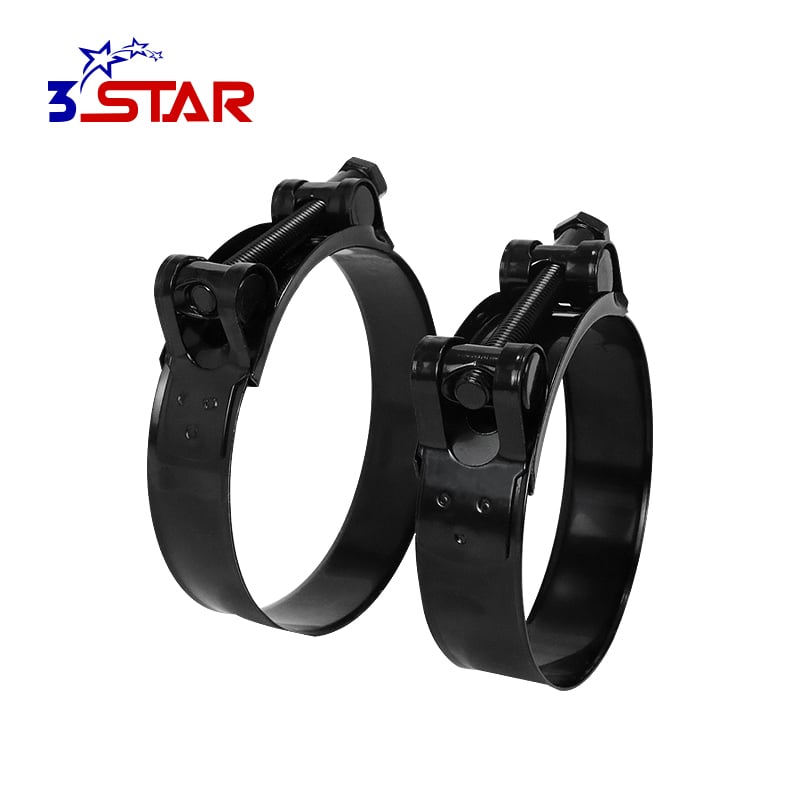
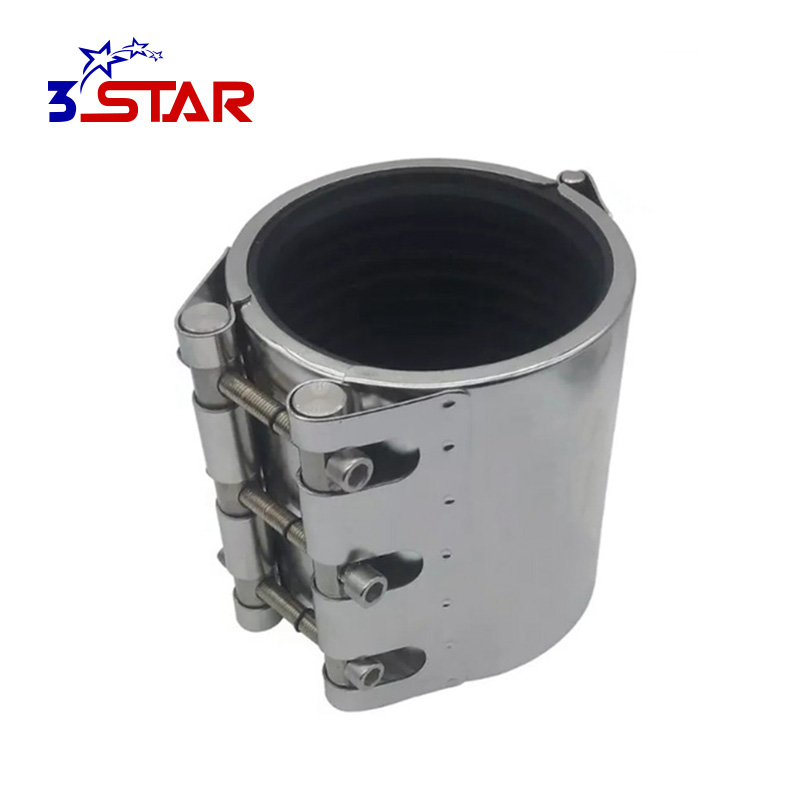
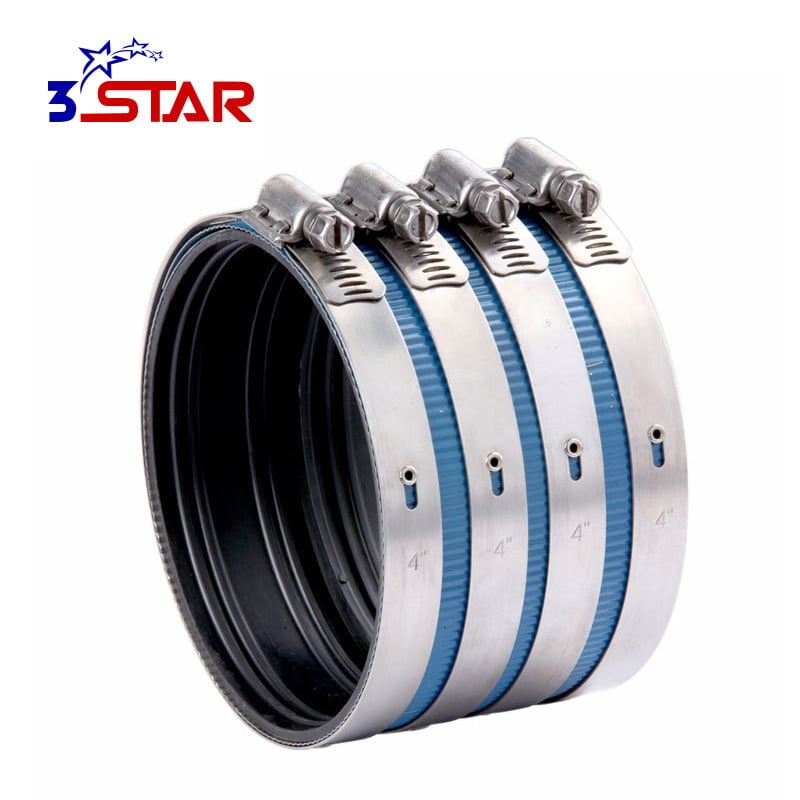
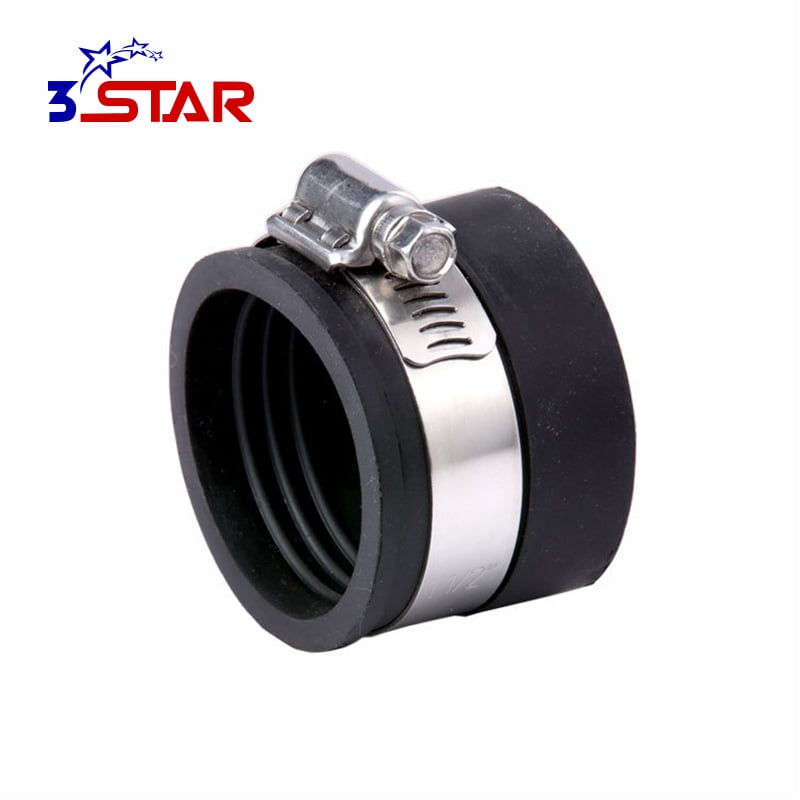
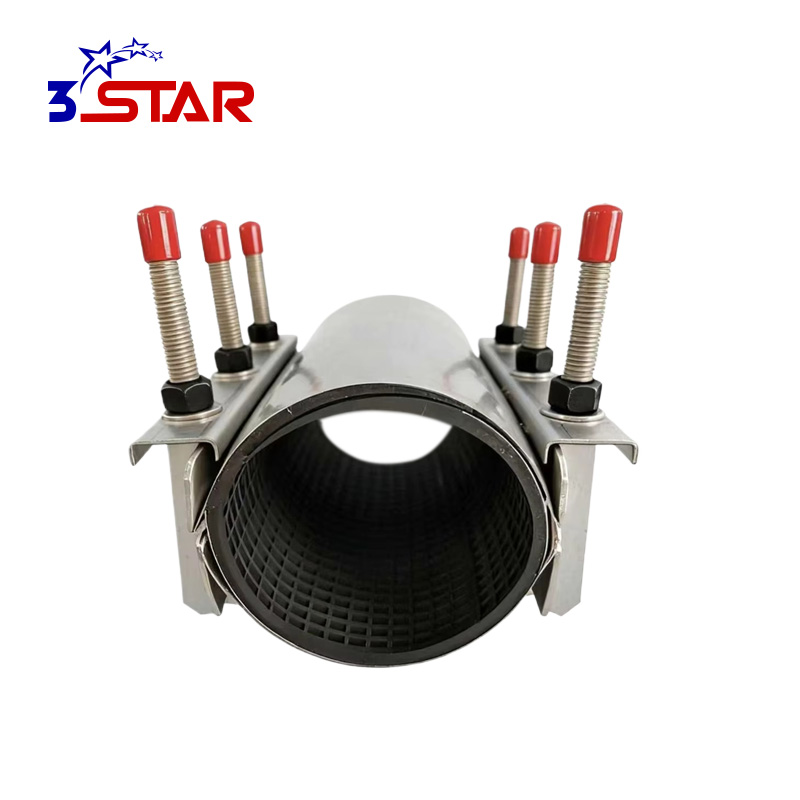
When selecting a stainless steel hose clamp, choosing the right material is critical for product performance, corrosion resistance, and service life. Although 201 stainless steel hose clamps, 304 stainless steel hose clamps, and 316 stainless steel hose clamps may look similar, they have significant differences in chemical composition, durability, corrosion resistance, and application environments.
For industries such as automotive, marine, plumbing, food processing, chemical processing, and industrial equipment, selecting the correct stainless steel grade ensures reliable hose connections and long-term performance.
This guide explains the differences between 201 vs 304 vs 316 stainless steel hose clamps and helps you choose the best solution for your application.
A stainless steel hose clamp is a mechanical fastening component designed to secure hoses, pipes, and tubes by applying uniform pressure around the connection point.
Common types include:
Stainless steel hose clamps are widely used because of their:
However, different stainless steel grades provide different performance levels.
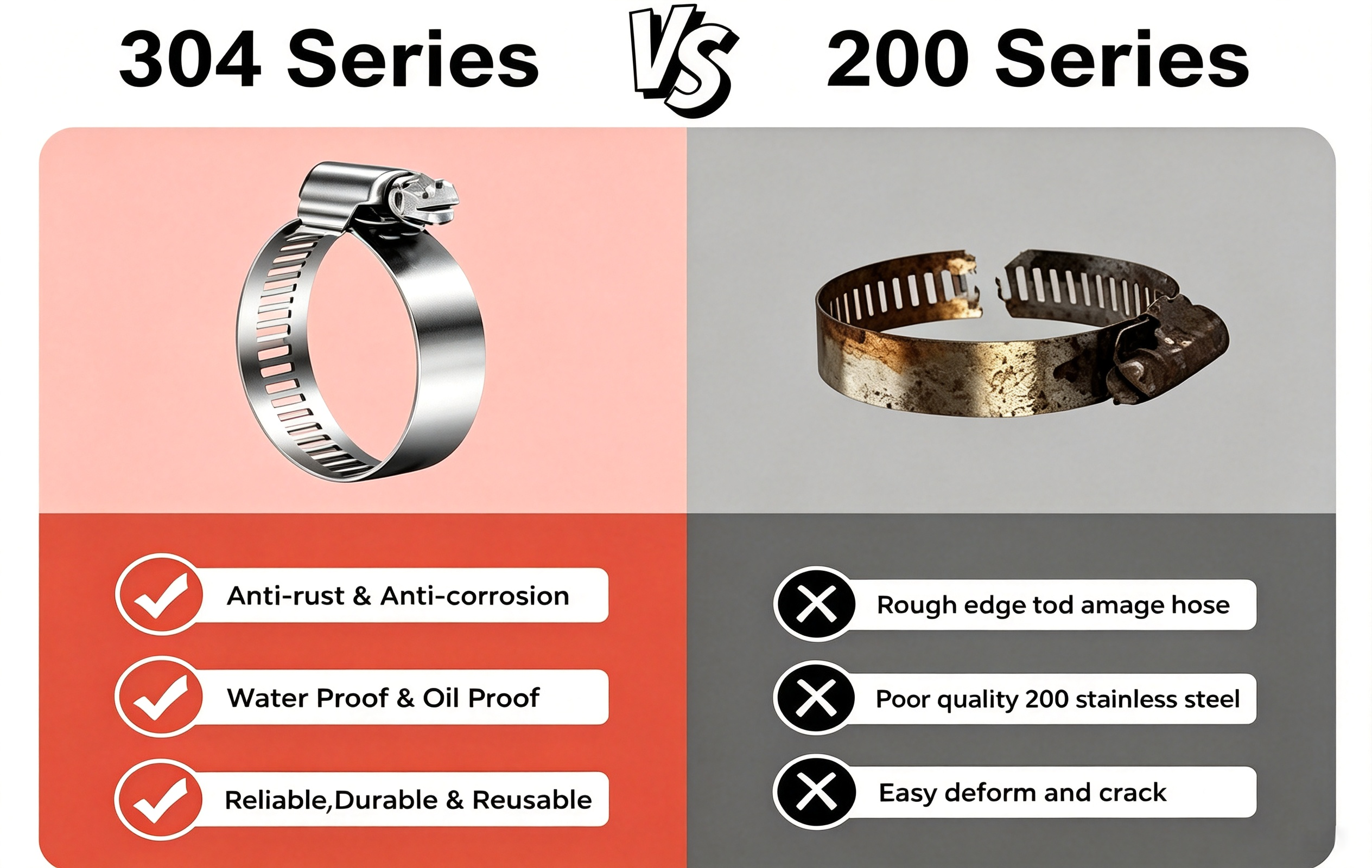
The most common stainless steel materials for hose clamps are:
Each grade has unique characteristics.
A 201 stainless steel hose clamp is an economical stainless steel option designed for applications requiring moderate corrosion resistance and cost efficiency.
Compared with 304 and 316 stainless steel, 201 stainless steel contains lower nickel content and higher manganese content, making it more affordable.
201 stainless steel hose clamps provide good performance at a competitive price, making them suitable for cost-sensitive projects.
201 stainless steel offers excellent mechanical strength and hardness.
It provides better corrosion resistance than carbon steel hose clamps and standard galvanized clamps.
Common applications include:
201 stainless steel is not recommended for:
For harsh environments, 304 or 316 stainless steel hose clamps are better choices.
A 304 stainless steel hose clamp is the most widely used stainless steel clamp option because it provides an excellent balance between corrosion resistance, strength, and cost.
304 stainless steel contains chromium and nickel, creating a strong passive oxide layer that protects against corrosion.
304 stainless steel hose clamps resist:
304 stainless steel provides excellent strength and long service life.
It is suitable for many industries and general-purpose applications.
304 stainless steel hose clamps are commonly used in:
For most industrial and commercial applications, 304 stainless steel hose clamps provide the best combination of:
They are considered the standard choice for high-quality stainless steel hose clamps.
A 316 stainless steel hose clamp is a premium-grade stainless steel clamp designed for the most demanding environments.
The addition of molybdenum significantly improves corrosion resistance, especially against chlorides and saltwater.
316 stainless steel performs better against:
It maintains performance in extreme environments where standard stainless steel may fail.
316 stainless steel is suitable for demanding industrial applications.
316 stainless steel hose clamps are commonly used in:
| Feature | 201 Stainless Steel | 304 Stainless Steel | 316 Stainless Steel |
|---|---|---|---|
| Cost | Low | Medium | Higher |
| Corrosion Resistance | Good | Excellent | Superior |
| Nickel Content | Lower | Higher | Higher |
| Saltwater Resistance | Limited | Good | Excellent |
| Chemical Resistance | Moderate | Good | Excellent |
| Strength | High | Good | Good |
| Outdoor Use | Limited | Recommended | Best Choice |
| Marine Application | Not Recommended | Suitable | Excellent |
You need:
You need:
For most customers, 304 stainless steel hose clamps are the ideal choice.
You need:
304 stainless steel hose clamps are widely used for:
316 stainless steel hose clamps are preferred for:
304 and 316 stainless steel hose clamps are used because they provide:
Heavy duty stainless steel hose clamps are commonly used for:
As a professional stainless steel hose clamp manufacturer, we provide customized solutions including:
Yes. A 304 stainless steel hose clamp provides better corrosion resistance and durability compared with 201 stainless steel, especially in outdoor and industrial environments.
For marine, coastal, and chemical applications, 316 stainless steel hose clamps are worth the investment because they provide superior corrosion resistance and longer service life.
For general outdoor applications, 304 stainless steel hose clamps are recommended. For coastal or saltwater environments, 316 stainless steel hose clamps are the better choice.
Yes. Professional OEM hose clamp suppliers can customize:
Choosing the right 201, 304, or 316 stainless steel hose clamp depends on your application requirements, working environment, and performance expectations.
Selecting the correct stainless steel grade ensures better clamping performance, longer service life, and reduced maintenance costs.
As an experienced OEM stainless steel hose clamp manufacturer, we provide high-quality worm drive hose clamps, German type hose clamps, American type hose clamps, T bolt hose clamps, heavy duty hose clamps, and customized stainless steel hose clamp solutions for global customers.
We support OEM/ODM manufacturing, custom sizes, material customization, surface treatment, logo marking, and customized packaging solutions to meet different market requirements.
Looking for a reliable stainless steel hose clamp supplier? Contact us today for product catalogs, quotations, and customized solutions.
Professional Hose Clamp Manufacturer & OEM Supplier
Tel:
+86-19331726596
E-mail:
[email protected]
We are ready to provide high-quality stainless steel hose clamps, customized hose clamp solutions, and professional OEM services for distributors, wholesalers, and industrial customers worldwide.
 Hot News
2026-03-25
2026-03-19
2026-03-11
2026-03-04
2026-02-27
2026-02-07
 EN
EN