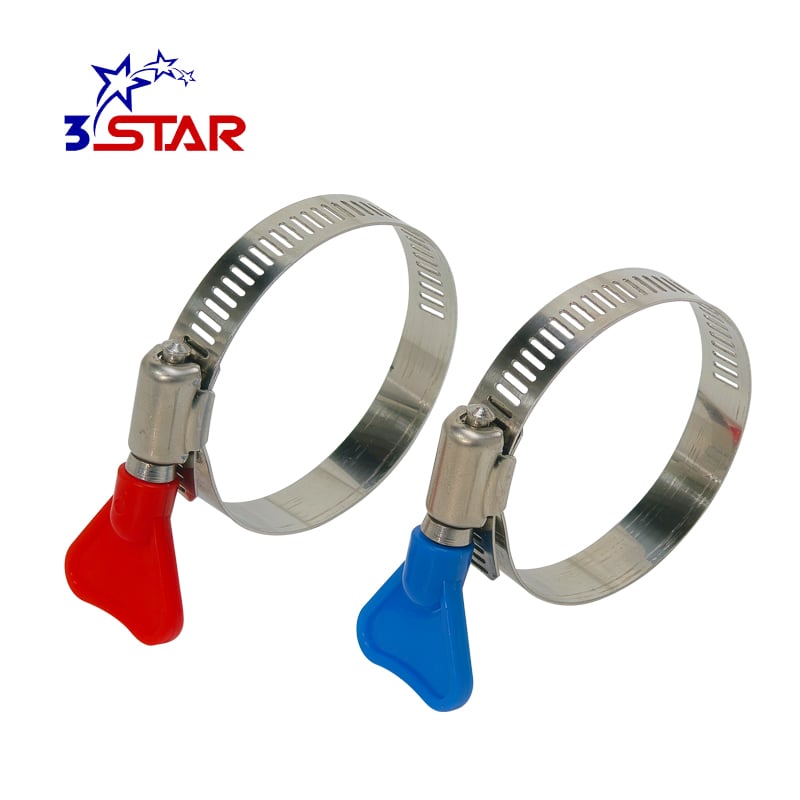
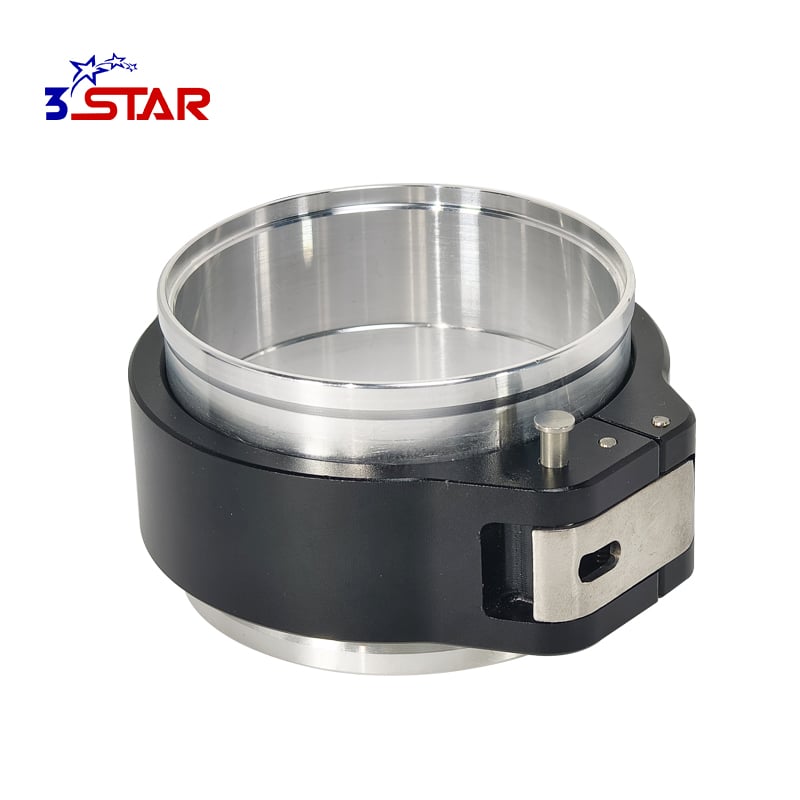
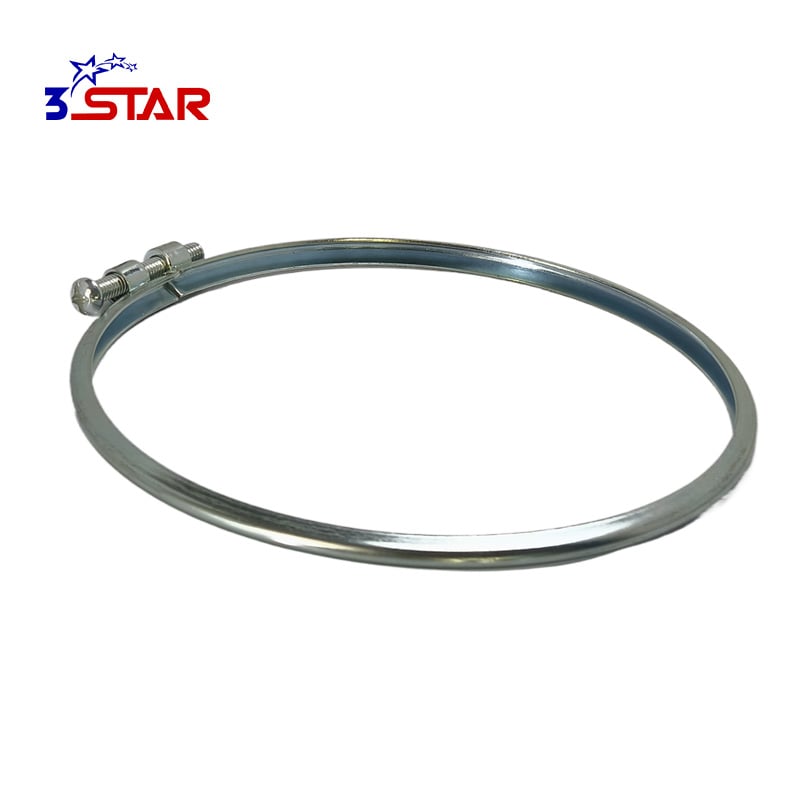
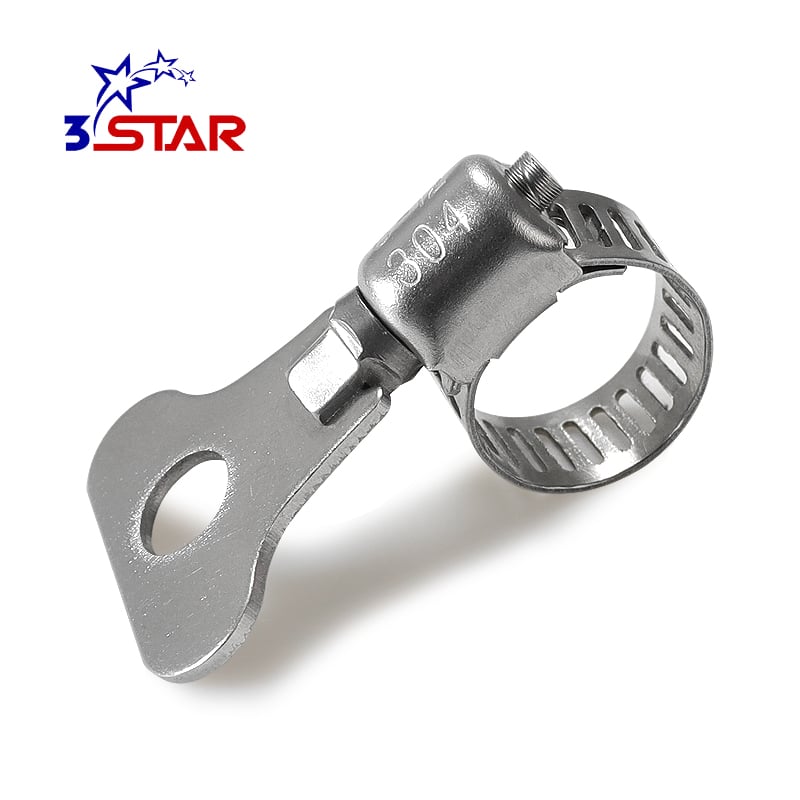
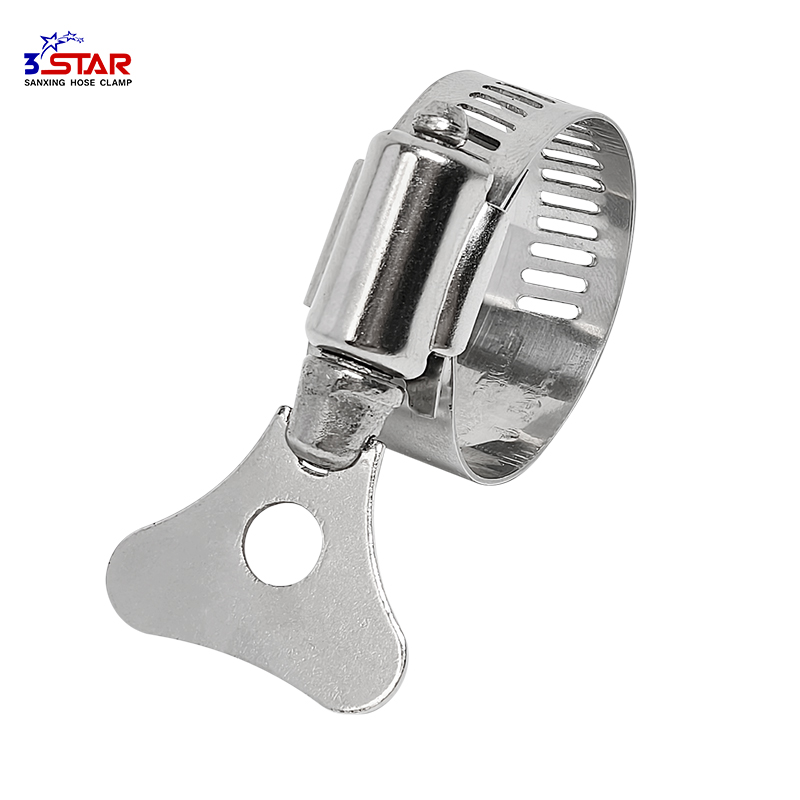
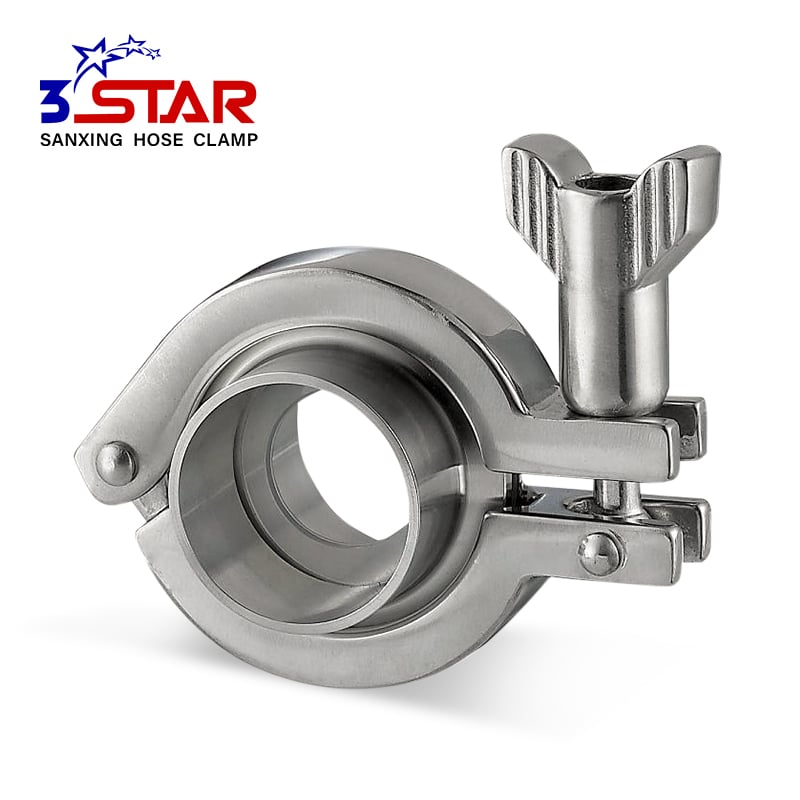
Hose clamps are essential fastening components used in automotive systems, industrial equipment, marine applications, HVAC systems, plumbing, agriculture machinery, and fluid transfer systems. A properly selected hose clamp ensures a secure connection between hoses and fittings, preventing leaks and improving system reliability.
However, even high-quality hose clamps can experience problems caused by incorrect installation, improper selection, harsh environments, or unsuitable materials.
Common issues such as hose leakage, clamp loosening, corrosion, and failure can lead to equipment downtime and increased maintenance costs.
In this guide, we will discuss the most common hose clamp problems, their causes, solutions, and prevention methods to help you choose and maintain the right clamping solution.
A loose hose clamp is one of the most frequent problems in hose connection systems.
Possible reasons include:
Incorrect hose clamp size
Insufficient tightening torque
Excessive vibration
Temperature expansion and contraction
Low-quality screw or band materials
Improper installation
When a hose clamp gradually loosens, the connection may lose sealing pressure and eventually cause leakage.
To solve this problem:
Select the correct clamp diameter range according to the hose outside diameter.
Tighten the clamp according to recommended torque specifications.
Use a stronger clamp design for high-vibration environments.
For applications involving vibration or high pressure, consider upgrading from a standard clamp to:
T-Bolt Clamp
Heavy Duty Hose Clamp
Double Bolt Hose Clamp
These clamps provide stronger holding force and improved stability.
Always check the clamp size, material, and application requirements before installation.
A leaking hose connection does not always mean the clamp is defective.
Common causes include:
Wrong hose clamp size
Incorrect clamp position
Damaged hose surface
Uneven tightening
Insufficient clamping force
Follow these steps:
Check whether the hose is properly installed on the fitting.
Confirm that the hose clamp is positioned over the connection area.
Tighten the clamp evenly.
Replace damaged hoses if necessary.
For applications requiring reliable sealing performance, a high-quality worm drive hose clamp or stainless steel hose clamp is recommended.
Choosing the correct clamp type is critical. A standard hose clamp may not be suitable for high-pressure or heavy-duty applications.
Corrosion is a common issue when hose clamps are exposed to:
Moisture
Saltwater
Chemicals
Outdoor environments
High humidity
Carbon steel clamps may corrode faster in harsh environments.
Choose the correct material:
Recommended for:
Automotive applications
General industrial environments
Water systems
Advantages:
Good corrosion resistance
Excellent durability
Cost-effective performance
Recommended for:
Marine applications
Chemical industries
Coastal environments
Advantages:
Superior corrosion resistance
Better resistance against salt and chemicals
Using the correct stainless steel grade significantly extends clamp service life.
Many users believe tighter is always better. However, excessive tightening can damage both the hose and the clamp.
Problems caused by over-tightening include:
Hose deformation
Cracked rubber materials
Reduced hose lifespan
Damaged clamp screws
Avoid excessive torque and use the correct installation method.
For soft hoses such as:
Silicone hoses
Rubber hoses
Flexible tubing
choose clamps that provide even pressure distribution.
A smooth-band German Type Hose Clamp is often preferred because it reduces damage to sensitive hose materials.
Correct tightening force is more important than maximum tightening force.
Clamp failure can happen because of:
Poor-quality raw materials
Excessive mechanical stress
Incorrect clamp selection
Corrosion damage
Over-tightening
A broken hose clamp can cause sudden hose separation and equipment failure.
For demanding applications, select stronger products such as:
Heavy Duty Hose Clamp
T-Bolt Clamp
Double Bolt Hose Clamp
These designs provide:
Higher load capacity
Better vibration resistance
Stronger sealing performance
Purchase hose clamps from an experienced hose clamp manufacturer with strict quality control processes.
The screw mechanism is an important part of a worm drive hose clamp.
Typical problems include:
Stripped screw threads
Difficult adjustment
Screw corrosion
Poor engagement between screw and band
Excessive tightening force
Poor-quality screw materials
Incorrect tools
Repeated installation and removal
Choose high-quality worm drive clamps with:
Strong screw housing
Precision manufacturing
Corrosion-resistant materials
For industrial applications, stainless steel worm drive hose clamps provide better reliability.
One of the biggest reasons for hose clamp failure is selecting the wrong product.
Different applications require different solutions.
Suitable for:
Automotive hoses
Plumbing systems
HVAC equipment
General industrial use
Suitable for:
High-pressure systems
Turbocharger applications
Heavy machinery
Suitable for:
Industrial pipelines
Construction equipment
Large diameter hoses
Suitable for:
Thick-wall hoses
Large industrial applications
High-load connections
Selecting the correct hose clamp design ensures better performance and longer service life.
Incorrect installation can reduce clamp performance.
Common mistakes include:
Always measure the hose outside diameter after installation.
The clamp should be placed over the hose fitting area, not too close to the hose edge.
Uneven pressure can create leakage points.
Always inspect:
Hose condition
Clamp band
Screw mechanism
before installation.
Before purchasing, consider the following factors:
Is the clamp used in:
Automotive systems?
Marine equipment?
Industrial machinery?
Food processing?
Agriculture?
Consider:
Pressure
Temperature
Vibration
Chemical exposure
Choose between:
Carbon steel
201 stainless steel
304 stainless steel
316 stainless steel
For standard applications:
Worm Drive Hose Clamp
For demanding applications:
T-Bolt Clamp
Heavy Duty Hose Clamp
Double Bolt Hose Clamp
A reliable hose clamp manufacturer can provide more than standard products.
Professional suppliers offer:
Stable production capacity
Strict quality inspection
OEM and ODM customization
Custom packaging solutions
Various materials and surface treatments
Global export experience
Working with an experienced hose clamp supplier helps ensure consistent quality and reliable delivery for distributors, wholesalers, and industrial customers.
Most hose clamp problems can be prevented by selecting the correct product, using proper installation methods, and choosing suitable materials.
Whether you need a standard worm drive hose clamp, corrosion-resistant stainless steel hose clamp, high-strength T-bolt clamp, or industrial-grade heavy duty hose clamp, the right selection ensures safe and reliable hose connections.
By understanding common hose clamp problems and their solutions, businesses can reduce maintenance costs, improve equipment reliability, and achieve longer service life.
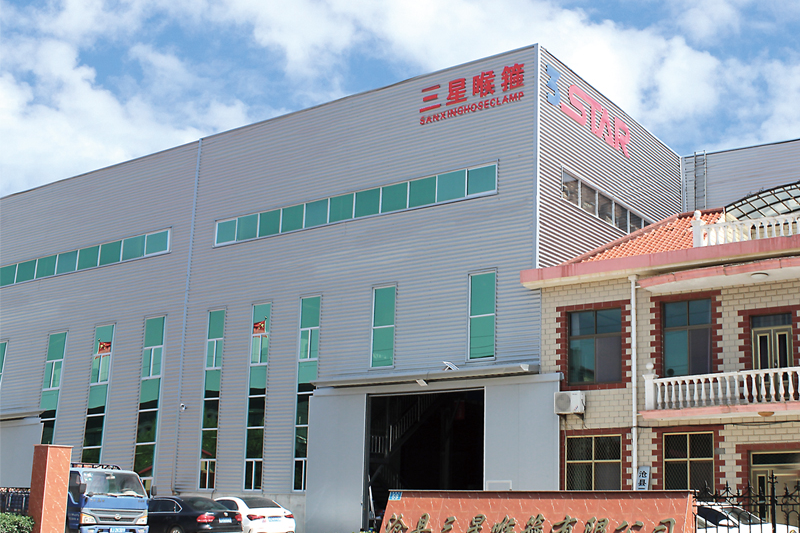
As a professional hose clamp manufacturer, we provide high-quality clamping solutions for automotive, industrial, marine, agricultural, and commercial applications. Contact us today for customized hose clamp solutions.
 Hot News
2026-03-25
2026-03-19
2026-03-11
2026-03-04
2026-02-27
2026-02-07
 EN
EN