Construction sites rely on robust water and HVAC piping systems to maintain workflow, ensure worker comfort, and meet project deadlines. Leaks in these systems—whether from loose connections, vibration, or harsh job site conditions—can lead to costly delays, water waste, and damage to materials or equipment. Heavy-duty clamps emerge as a critical solution, designed to withstand the rigors of construction environments while ensuring leak-tight performance for water supply, drainage, and HVAC lines. This article explores how these specialized clamps mitigate leak risks and support reliable piping operations on construction sites.
The Unique Challenges of Construction Site Piping
Construction sites present distinct challenges that test the durability of piping systems. Constant foot traffic, heavy machinery vibration, and exposure to dust, debris, and extreme weather (from scorching heat to freezing temperatures) can loosen standard clamps over time. Water lines, which carry high-pressure potable water or construction water, and HVAC systems, responsible for temperature regulation in temporary or permanent structures, are particularly vulnerable. A single leak in a water line can flood work zones, while HVAC leaks can compromise indoor air quality and delay occupancy. Unlike residential or commercial settings, construction site piping often requires temporary yet reliable connections that can withstand frequent adjustments—making heavy-duty clamps a necessity rather than an option.
Key Features of Heavy-Duty Clamps for Leak Prevention
Heavy-duty clamps are engineered with construction-specific demands in mind, boasting features that set them apart from standard clamps and enable superior leak prevention:
-
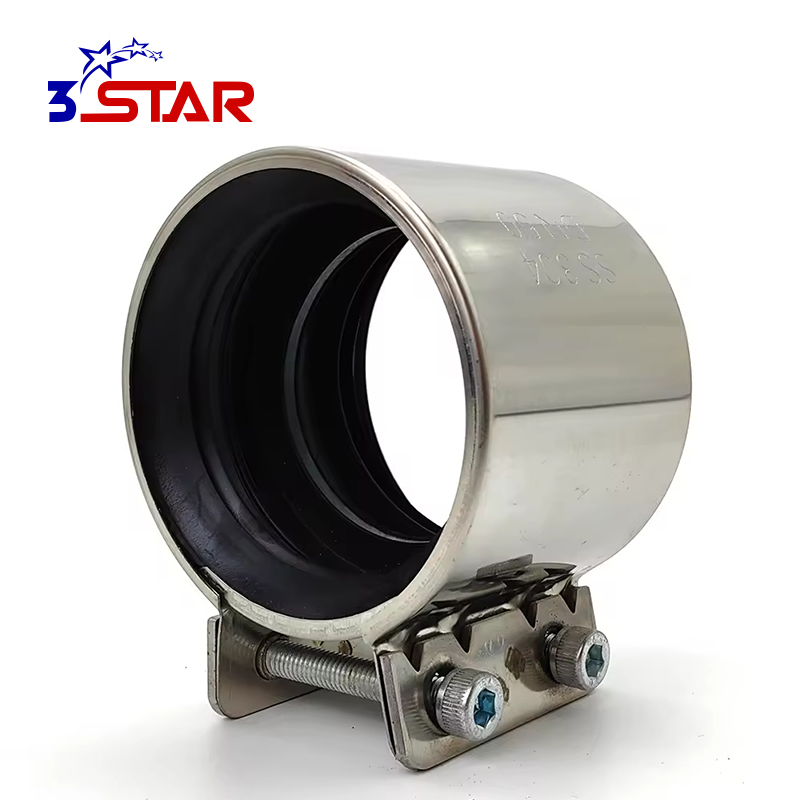
High-Strength Materials: Most heavy-duty clamps are made from corrosion-resistant materials like 304 or 316 stainless steel, which withstand exposure to moisture, chemicals, and harsh weather without rusting or degrading. Carbon steel clamps with zinc or powder coatings are also popular for cost-sensitive projects, offering durability in dry or covered areas.
-
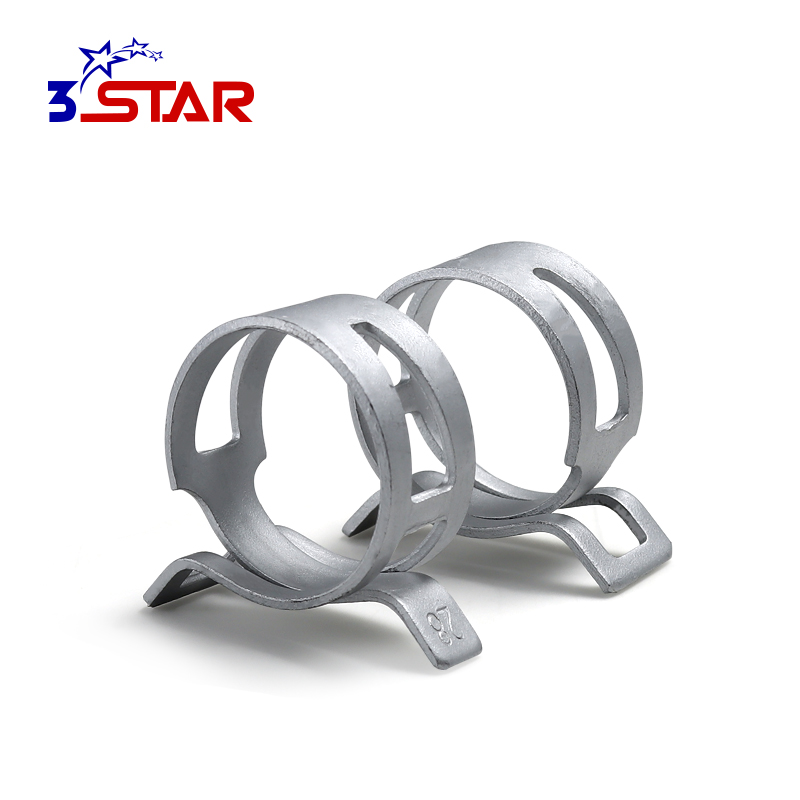
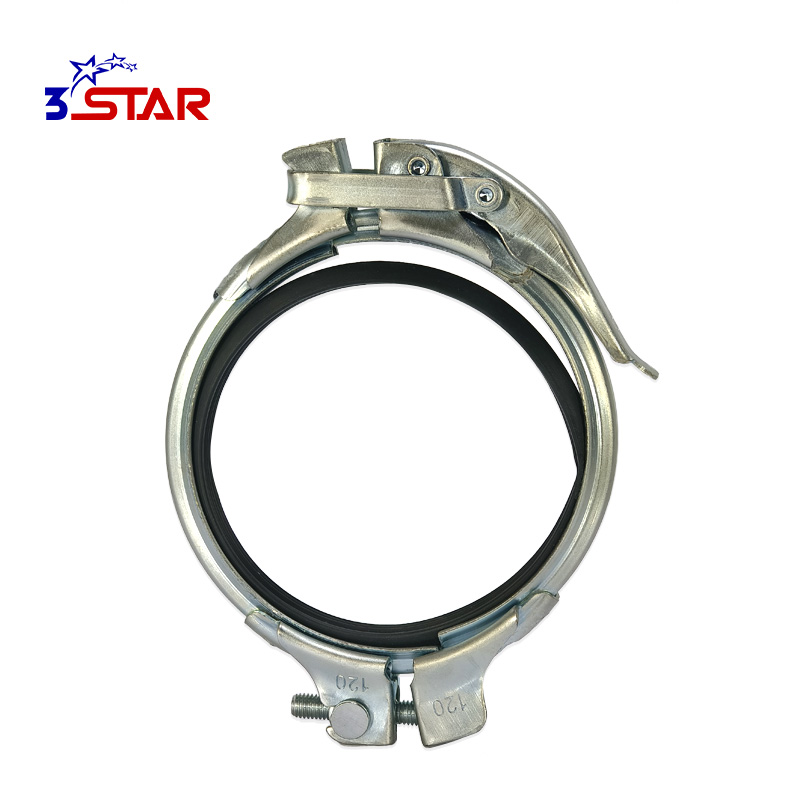
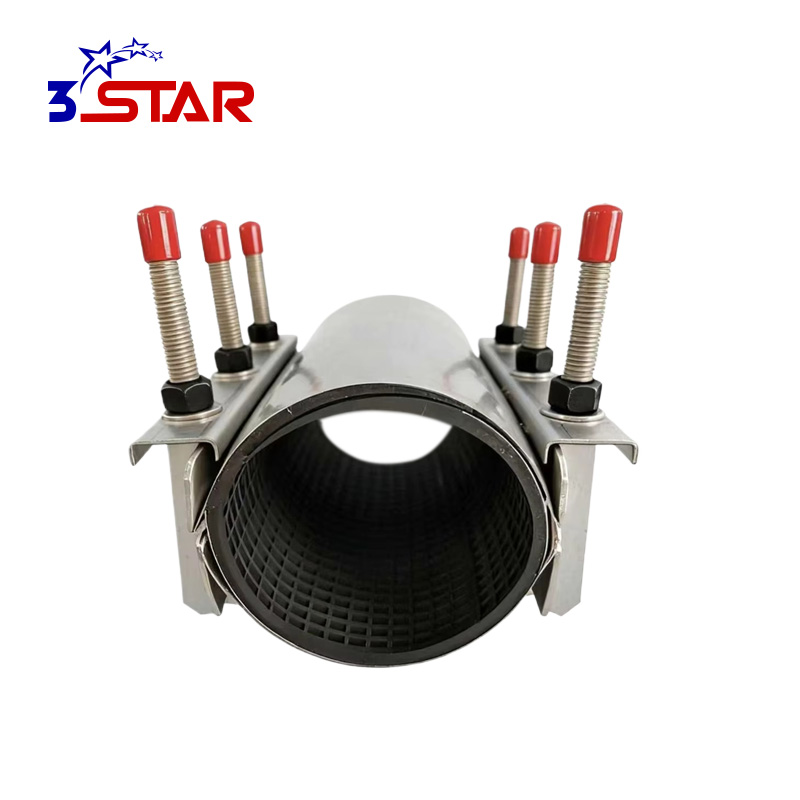
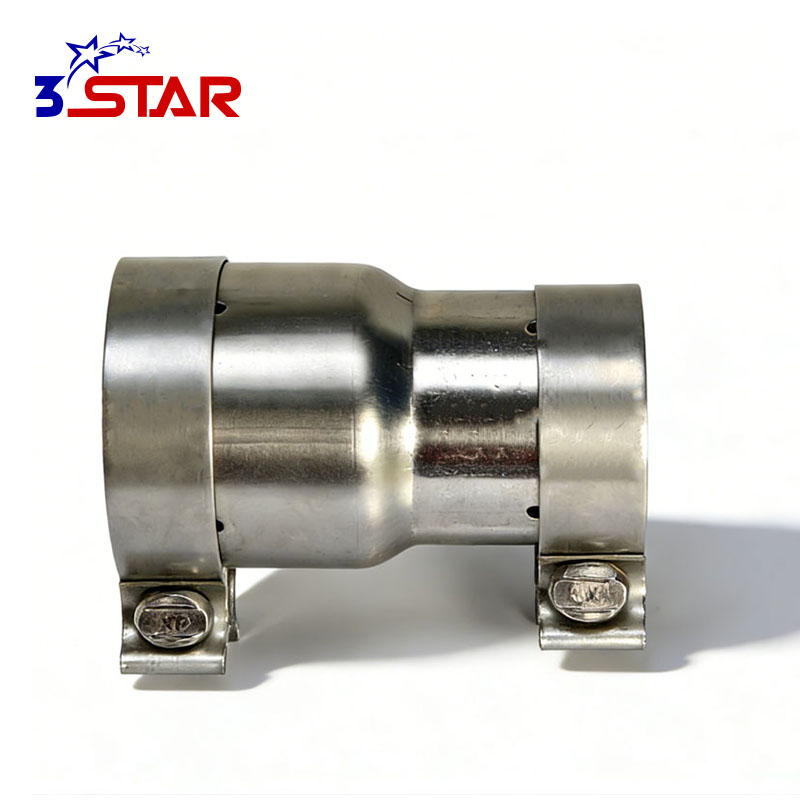
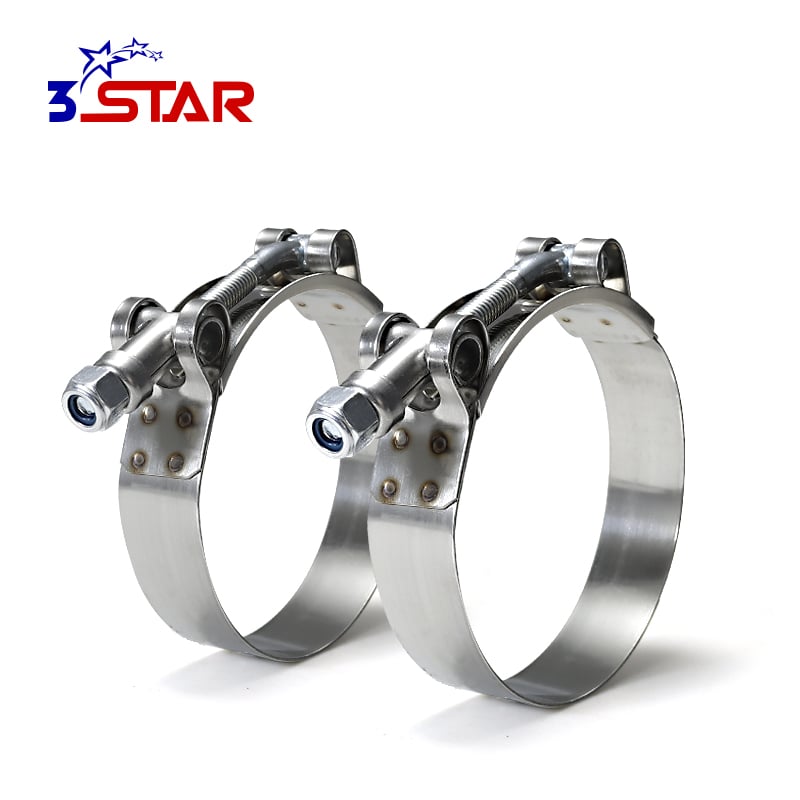
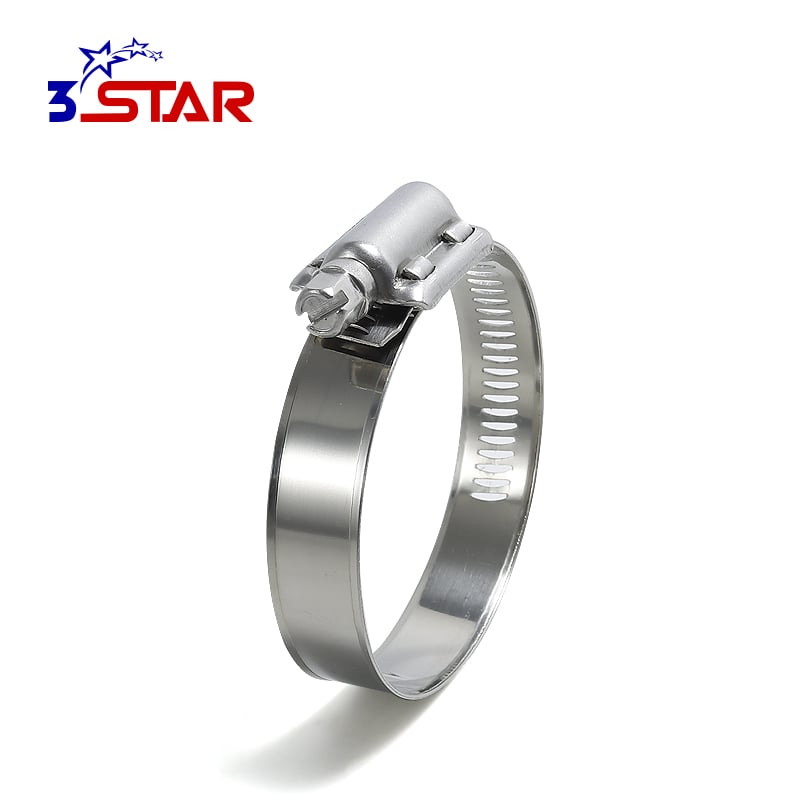
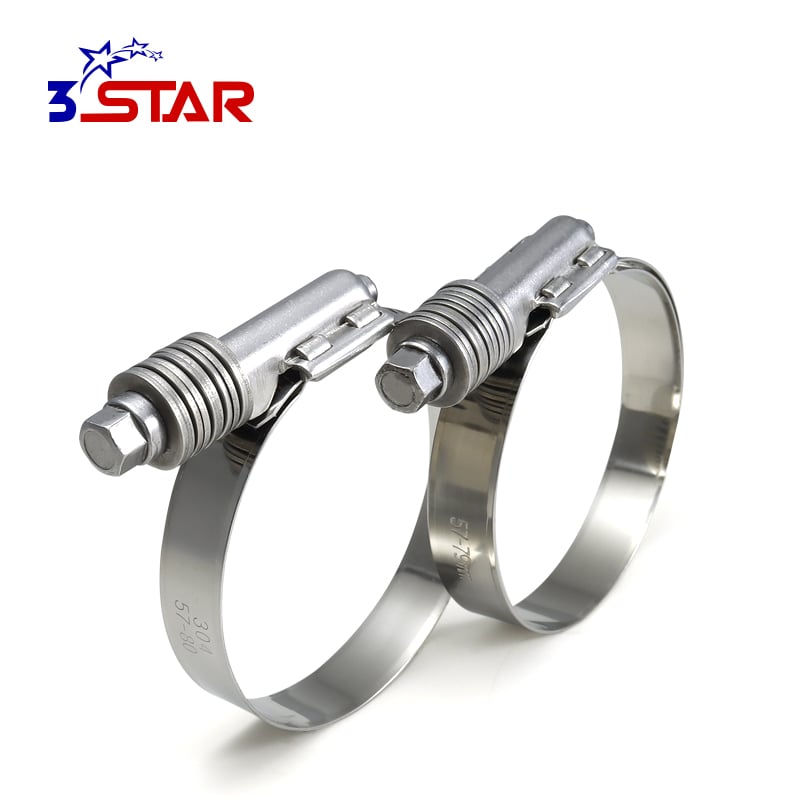
Uniform Clamping Force: Unlike basic worm gear clamps, heavy-duty options (such as T-bolt or band clamps) deliver consistent, high clamping force across the entire hose or pipe circumference. This ensures a tight seal even on irregular surfaces or thick-walled pipes, preventing leaks caused by uneven pressure.
-
Vibration Resistance: Designed to absorb shock and vibration from heavy machinery, these clamps feature locking mechanisms that resist loosening. This is critical for HVAC lines and water pipes near construction equipment, where constant movement can compromise standard clamp connections.
-
Wide Adjustment Ranges: Heavy-duty clamps accommodate a range of pipe diameters, from small water lines to large HVAC ducts. This versatility eliminates the need for multiple clamp sizes, simplifying inventory and ensuring a secure fit for diverse piping needs.
Applications in Water & HVAC Systems
Heavy-duty clamps play a vital role in securing key components of construction site piping:
In water systems, they secure connections between hoses, pipes, and fittings for potable water supply, temporary sprinkler systems, and drainage lines. For example, T-bolt clamps are used to fasten large-diameter hoses in construction water trucks or temporary water distribution networks, preventing leaks that could waste water or create hazardous slip-and-fall hazards.
In HVAC systems, heavy-duty clamps secure flexible ducts, refrigerant lines, and condensate pipes. Construction-site HVAC systems often operate under high pressure to heat or cool large temporary structures, making leak-proof connections essential. Stainless steel heavy-duty clamps resist corrosion from refrigerant and moisture, ensuring long-term reliability even in unconditioned spaces.
Best Practices for Selecting & Installing Heavy-Duty Clamps
To maximize leak prevention, follow these best practices when choosing and installing heavy-duty clamps:
-
Match the clamp material to the environment: Use 316 stainless steel for outdoor or coastal sites (high salt exposure) and 304 stainless steel for indoor or mild conditions.
-
Select the correct size: Ensure the clamp’s adjustment range fits the pipe or hose outer diameter (OD) precisely—too loose and it will slip; too tight and it may damage the pipe.
-
Use the right tool for installation: Tighten clamps with a torque wrench to achieve the manufacturer’s recommended clamping force, avoiding over-tightening which can deform hoses or pipes.
-
Inspect regularly: Check clamps for signs of wear, corrosion, or loosening during routine site inspections, especially after heavy machinery use or extreme weather.
Heavy-duty clamps are a small but critical investment in construction site efficiency and safety. By providing reliable, leak-tight connections for water and HVAC systems, they help avoid costly delays, reduce waste, and protect workers and materials. For construction professionals seeking to enhance piping reliability, choosing the right heavy-duty clamps—tailored to site conditions and system needs—is key to long-term success.


 Hot News
 EN
EN