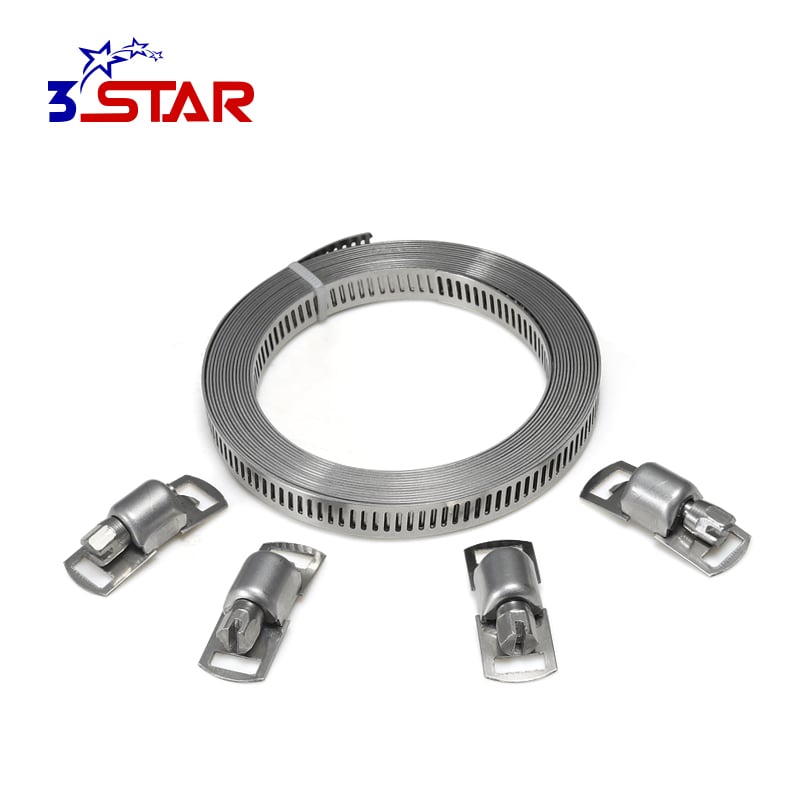
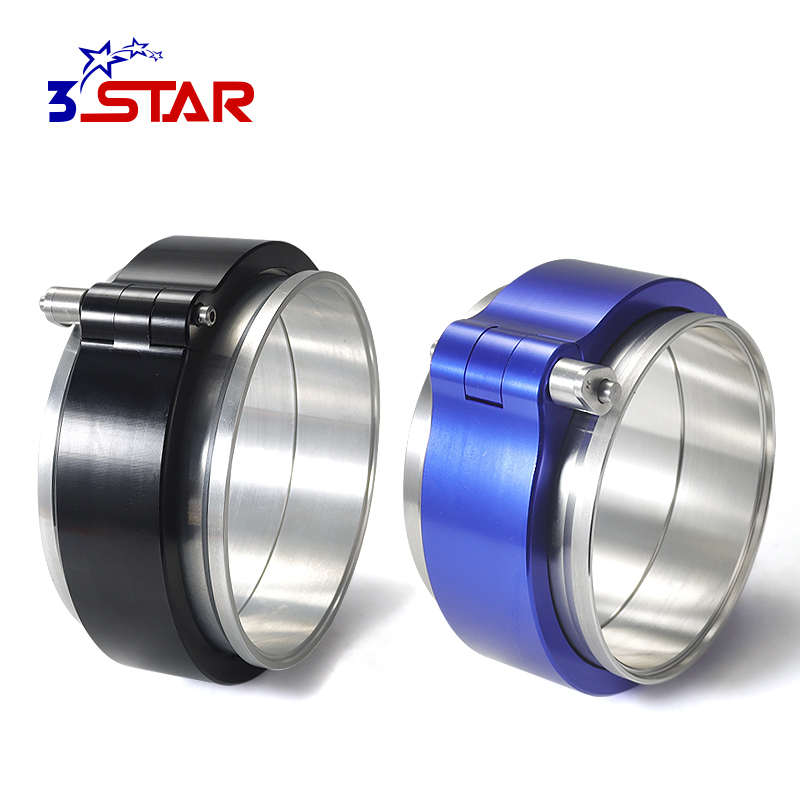
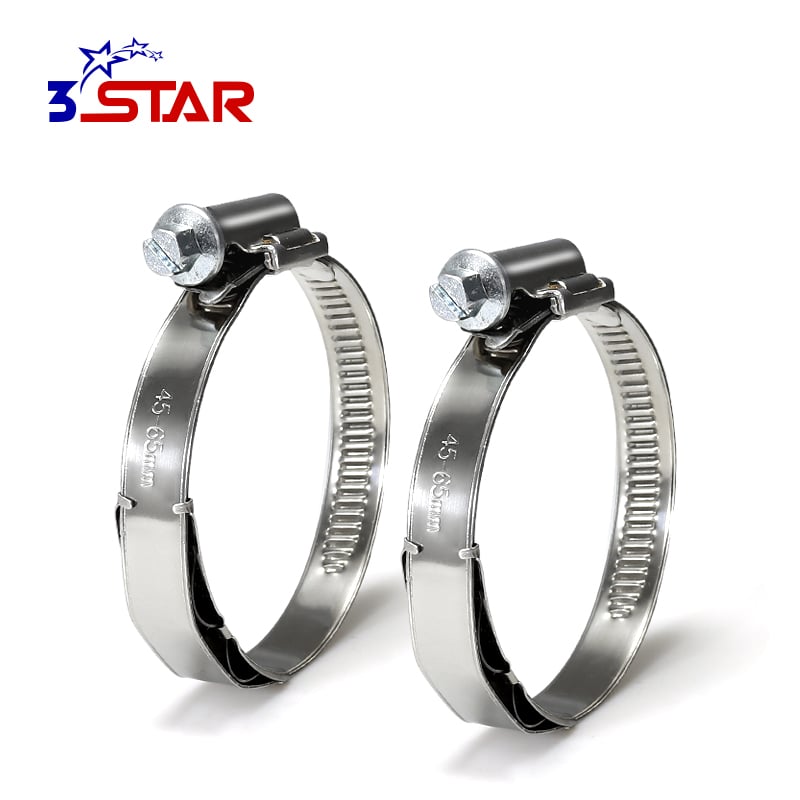
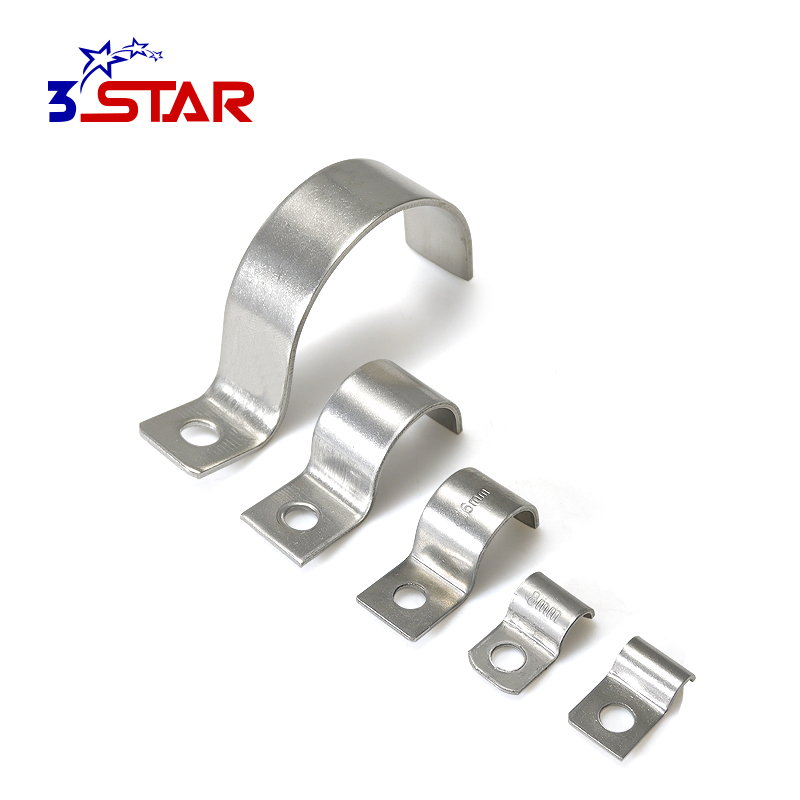
Hose clamps are vital for leak-proof piping systems in industrial, automotive, agricultural and renewable energy fields. Wrong choices cause costly leaks or safety risks. This guide simplifies key selection factors—material, size, type—for engineers and procurement professionals.
1. Material Selection: Match Environment & Fluid Compatibility
Material affects corrosion resistance, durability and fluid compatibility. Common options and uses:
Stainless Steel (304 & 316)
Stainless steel (304/316) is industry-standard. 304 for general use (water, air, mild chemicals); 316 with molybdenum for harsh environments (marine, chemical plants) due to better chloride resistance.
Carbon Steel
Carbon steel: cost-effective, high-strength for heavy-duty non-corrosive environments (oil/gas). Needs protective coating; not for wet/chemical areas.
Plastic
Plastic (nylon/polypropylene): lightweight, chemical/UV-resistant. For low-pressure hygiene applications (food/medical/irrigation); unsuitable for high-heat/heavy-duty use.
2. Size Selection: Secure Fit Without Hose Damage
Poor sizing causes slips/damage. Correct sizing steps:
-
Measure Hose OD: Precisely measure with caliper (avoid estimation).
-
Check Adjustment Range: Ensure hose OD is within clamp’s min/max range.
-
Consider Fitting Size: Cover junction without gaps/overlap.
Pro tip: For flexible hoses, choose 1–2mm smaller clamp range for tight, non-crushing fit.
3. Type Selection: Align with Installation & Application
Clamp types match installation and application needs:
Worm Gear: Versatile, precise adjustment, easy installation. Suits most low/high-pressure applications.
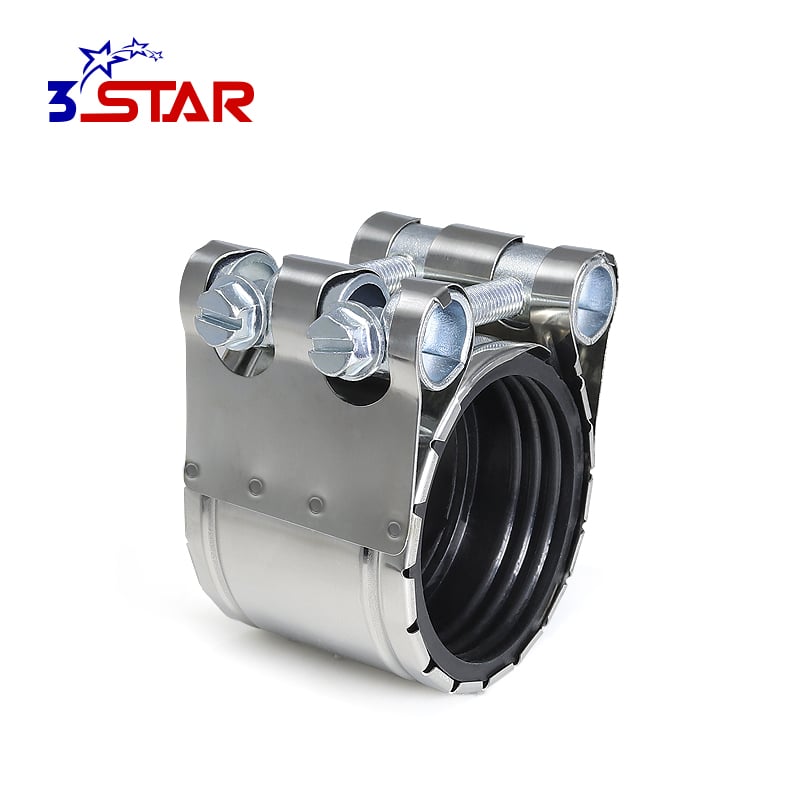
T-Bolt: For heavy-duty/high-pressure use (turbo, hydraulics). Uniform force, superior in extreme conditions; more expensive.
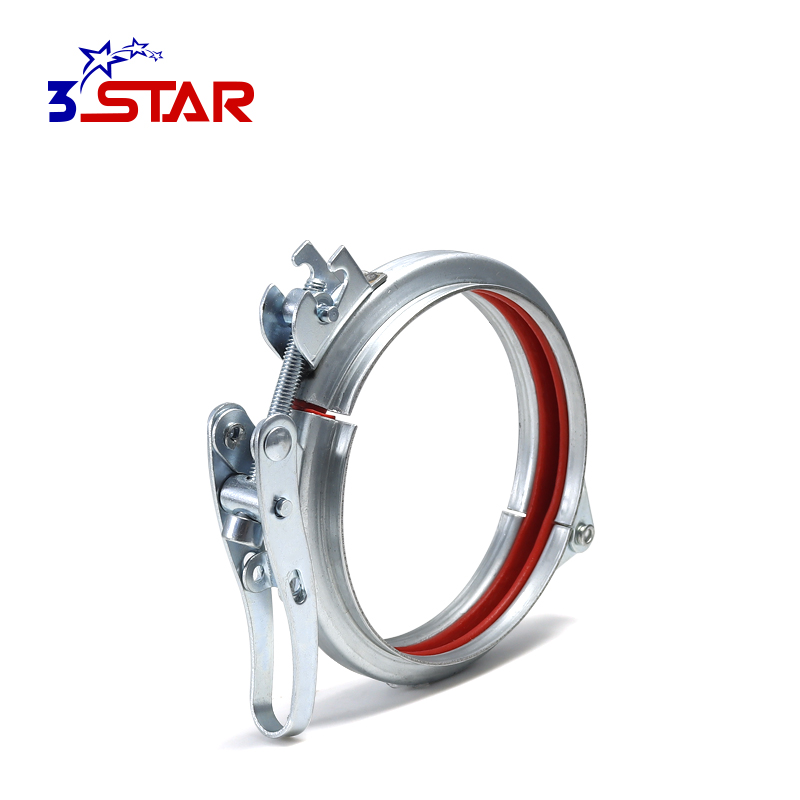
Quick-Release: Tool-free, easy to assemble/disassemble. For frequent maintenance; unsuitable for high-pressure/vibration.
Sanitary Hose Clamps
Sanitary: For food/pharmaceutical sectors (hygiene-critical). 316 stainless steel, FDA/3-A compliant, smooth design to prevent bacteria.
Final Selection Tips
-
Refer to project specs and fluid compatibility charts.
-
Test for extreme conditions.
-
Choose reputable manufacturers (ISO 9001, CE).
-
Consult experts if unsure.
Choosing the right hose clamp ensures system performance, safety and longevity. Align material, size and type with project needs for secure, leak-proof connections.
For project-specific hose clamp solutions, contact our experts.

 Hot News
 EN
EN