Selecting the correct hose clamp size is one of the most important factors in creating a secure, leak-free connection. Whether you are working with automotive cooling systems, industrial fluid transfer equipment, marine applications, HVAC installations, or agricultural machinery, choosing the right hose clamp can significantly improve performance and reliability.
In this complete buying guide, we'll explain how to measure hose clamp sizes, provide a practical hose clamp size chart, and help you select the best stainless steel hose clamp, worm drive hose clamp, T-bolt clamp, or heavy-duty hose clamp for your application.
A hose clamp that is too small may not fit over the hose and fitting, while a clamp that is too large may fail to provide sufficient sealing pressure. Incorrect sizing often leads to:
Fluid leakage
Reduced system efficiency
Hose damage
Clamp failure
Increased maintenance costs
Properly sized hose clamps ensure secure sealing, uniform pressure distribution, and longer service life.
Before purchasing a hose clamp, follow these simple steps:
Install the hose onto the fitting or pipe first.
Use a caliper or measuring tape to determine the outside diameter of the assembled hose connection.
Choose a clamp whose adjustment range includes the measured outside diameter.
For example:
Hose OD: 40 mm
Recommended clamp range: 35-50 mm
The ideal operating diameter should fall near the middle of the clamp's adjustment range.
Certain hose materials expand and contract due to:
Temperature changes
Pressure fluctuations
Vibration
In these situations, a spring hose clamp or constant tension clamp may be a better choice.
The following chart provides general guidance for selecting common hose clamp sizes.
| Clamp Size Range (mm) | Clamp Size Range (Inches) | Common Applications |
|---|---|---|
| 8-12 mm | 5/16"-1/2" | Fuel lines, small tubing |
| 10-16 mm | 3/8"-5/8" | Small automotive hoses |
| 12-22 mm | 1/2"-7/8" | Water lines, pneumatic hoses |
| 16-27 mm | 5/8"-1-1/16" | Cooling system hoses |
| 20-32 mm | 3/4"-1-1/4" | HVAC applications |
| 25-40 mm | 1"-1-1/2" | Plumbing systems |
| 32-50 mm | 1-1/4"-2" | Industrial fluid systems |
| 40-63 mm | 1-1/2"-2-1/2" | Agricultural equipment |
| 50-76 mm | 2"-3" | Heavy-duty machinery |
| 70-90 mm | 2-3/4"-3-1/2" | Industrial pipelines |
| 80-100 mm | 3"-4" | Large industrial hoses |
| 90-120 mm | 3-1/2"-4-3/4" | High-flow systems |
| 110-140 mm | 4-1/4"-5-1/2" | Large equipment connections |
| 130-165 mm | 5"-6-1/2" | Heavy-duty industrial applications |
Size is important, but selecting the appropriate clamp type is equally critical.
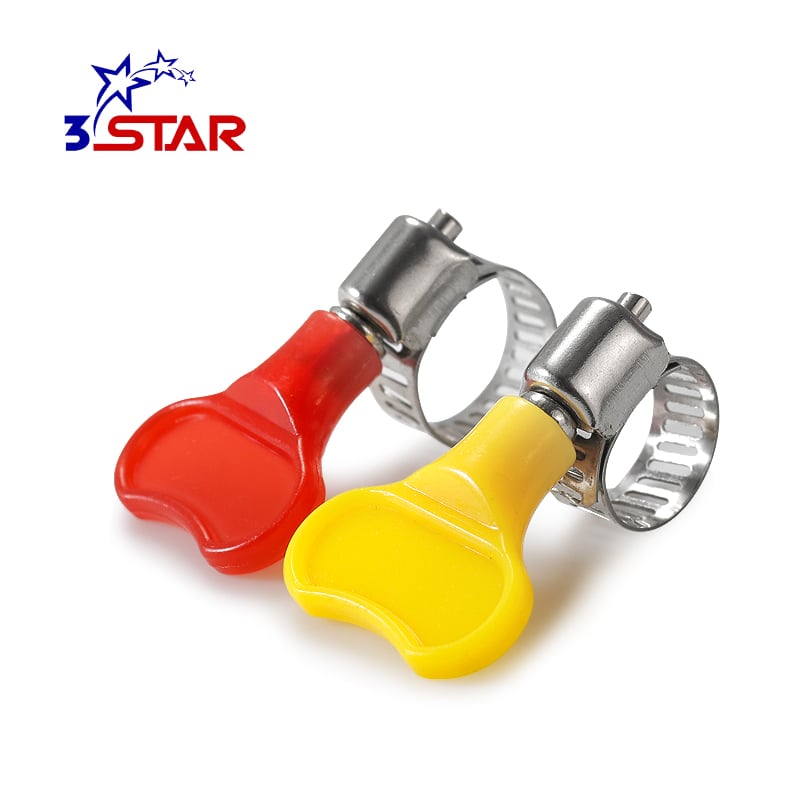
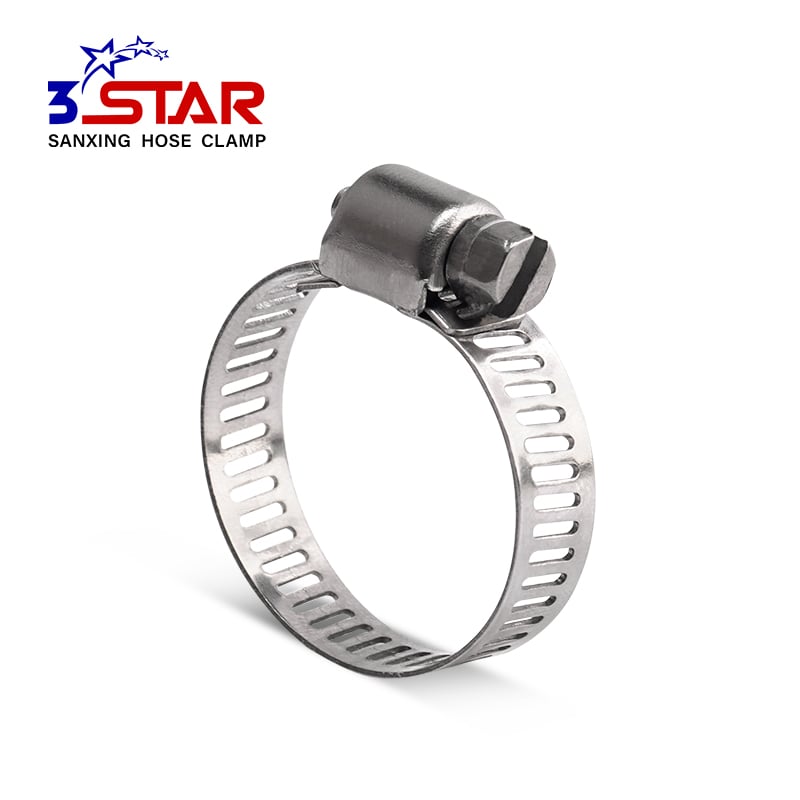
A worm drive hose clamp is the most widely used clamp style.
Benefits:
Easy installation
Adjustable sizing
Cost-effective
Suitable for automotive and industrial applications
Common uses:
Radiator hoses
Water hoses
HVAC systems
Plumbing connections
A stainless steel hose clamp offers excellent corrosion resistance and durability.
Benefits:
Rust resistant
Long service life
Suitable for harsh environments
Recommended materials:
304 Stainless Steel – General industrial use
316 Stainless Steel – Marine and chemical applications
Common uses:
Marine systems
Food processing
Chemical plants
Outdoor installations
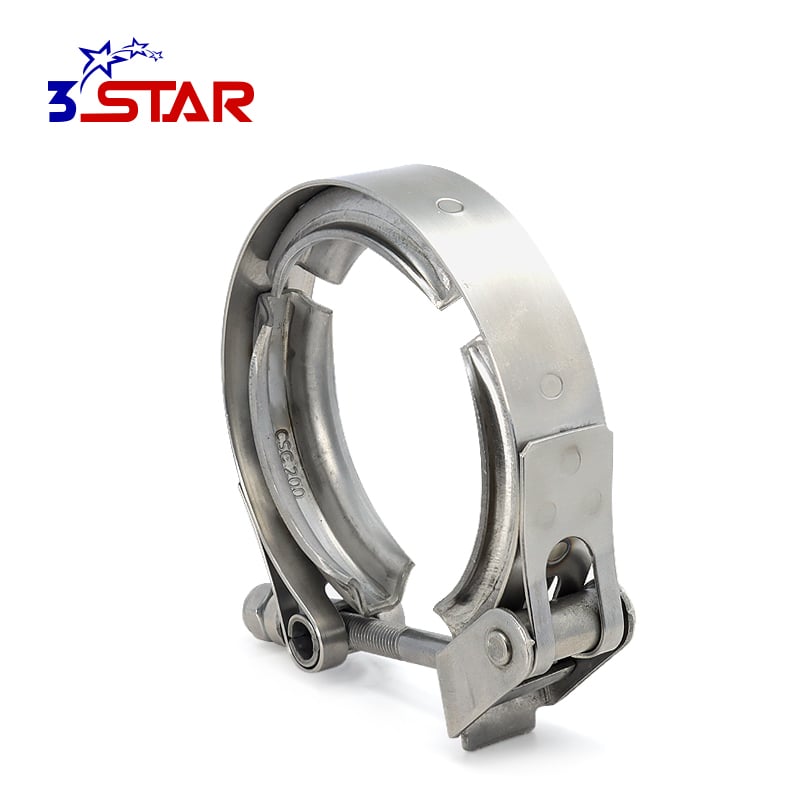
A T-bolt clamp is designed for high-pressure and heavy-duty applications.
Benefits:
Superior clamping force
Uniform pressure distribution
Excellent vibration resistance
Common uses:
Turbocharger systems
Heavy trucks
Industrial machinery
High-pressure hoses
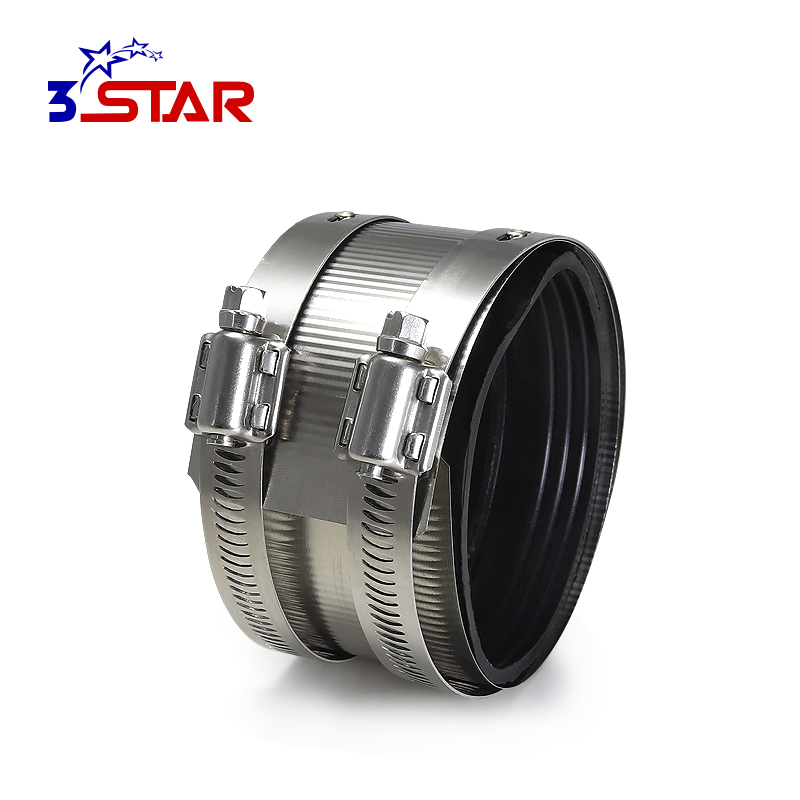
A double bolt hose clamp provides extra holding power for large-diameter hoses.
Benefits:
Strong clamping performance
Suitable for thick-walled hoses
Ideal for industrial environments
Common uses:
Mining equipment
Agricultural machinery
Water treatment systems
Construction equipment
Many buyers mistakenly choose a hose clamp based on the hose's inside diameter.
Always measure the outside diameter after the hose is installed on the fitting.
A clamp that operates near its maximum adjustment limit may not provide sufficient clamping force.
Choose a size where the working diameter falls near the middle of the adjustment range.
Factors such as pressure, temperature, and vibration influence clamp performance.
For demanding environments, standard worm gear clamps may not be sufficient. Consider a heavy-duty hose clamp or T-bolt clamp instead.
Recommended:
Worm Drive Hose Clamp
Spring Hose Clamp
T-Bolt Clamp
Recommended:
316 Stainless Steel Hose Clamp
Recommended:
Heavy Duty Hose Clamp
Double Bolt Hose Clamp
Recommended:
Stainless Steel Worm Drive Hose Clamp
Recommended:
Heavy Duty Hose Clamp
Double Bolt Hose Clamp
Recommended:
304 or 316 Stainless Steel Hose Clamp
The lifespan of a hose clamp depends heavily on material quality.
Advantages:
Economical
Suitable for indoor use
Disadvantages:
Susceptible to corrosion
Advantages:
Excellent corrosion resistance
Suitable for most industrial environments
Advantages:
Superior resistance to saltwater and chemicals
Ideal for marine and offshore applications
When sourcing hose clamps, look for a manufacturer that offers:
ISO-certified production
Strict quality control
Stainless steel material traceability
OEM and ODM services
Wide size ranges
Custom packaging options
A professional hose clamp manufacturer can help ensure product consistency, reliable delivery, and long-term performance.
Using the correct hose clamp size is essential for preventing leaks, improving safety, and maximizing equipment performance. Whether you need a standard worm drive hose clamp, a corrosion-resistant stainless steel hose clamp, a high-strength T-bolt clamp, or a heavy-duty hose clamp for industrial applications, selecting the right size and material will ensure reliable operation.
Before purchasing, always measure the outside diameter of the assembled hose connection, verify the clamp adjustment range, and choose a clamp type suitable for your operating environment. By following these guidelines, you can achieve secure, long-lasting hose connections across a wide range of industries.
 Hot News
2026-03-25
2026-03-19
2026-03-11
2026-03-04
2026-02-27
2026-02-07
 EN
EN