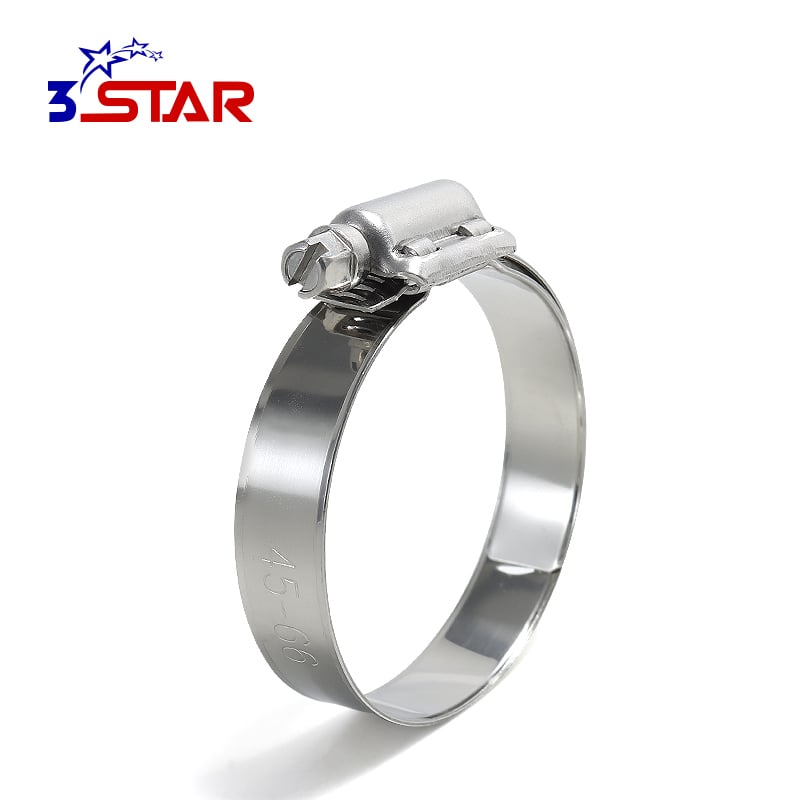
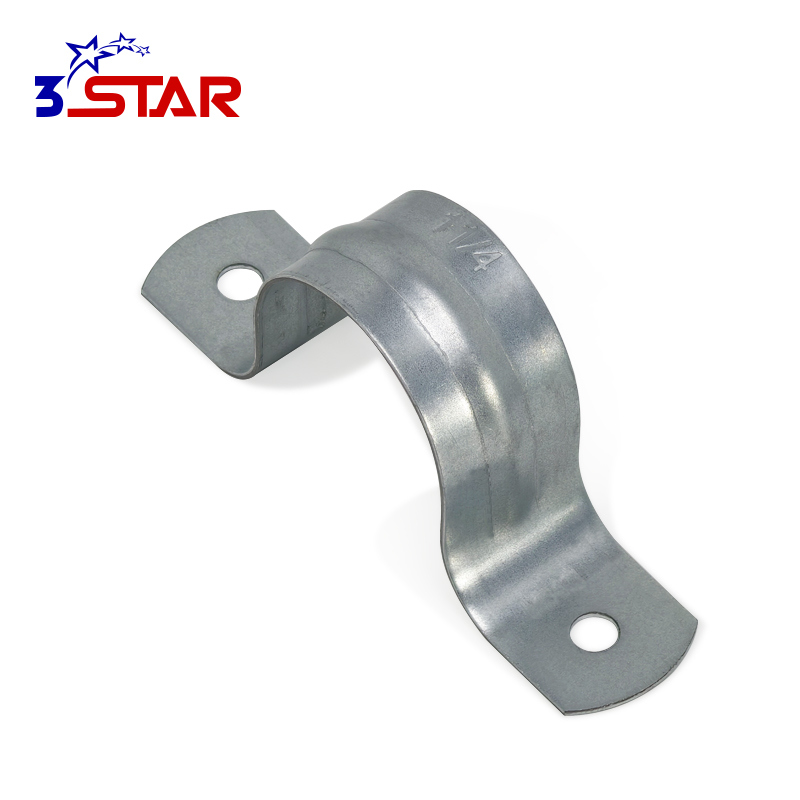
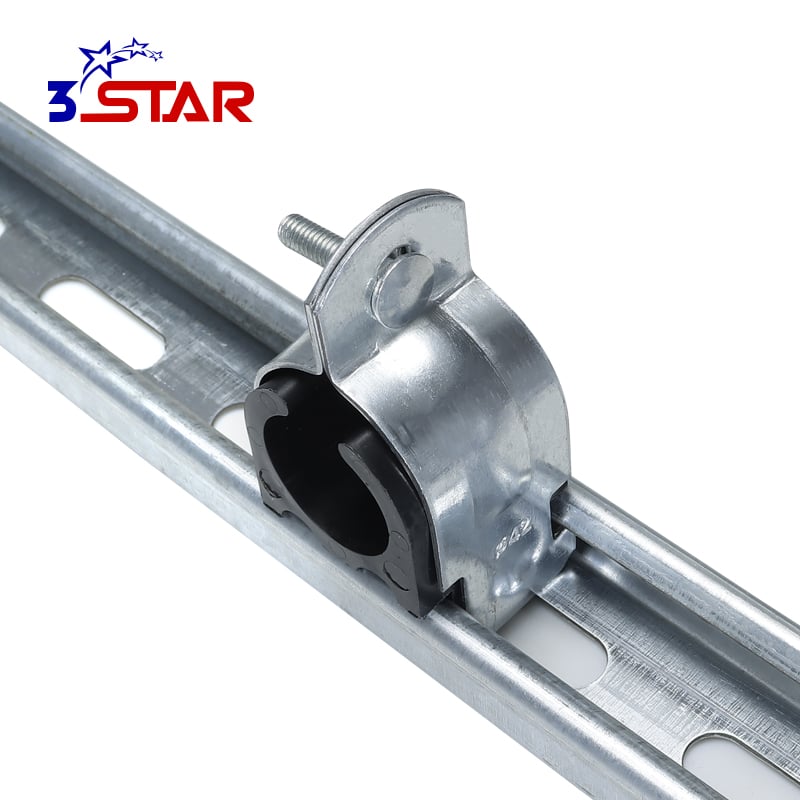
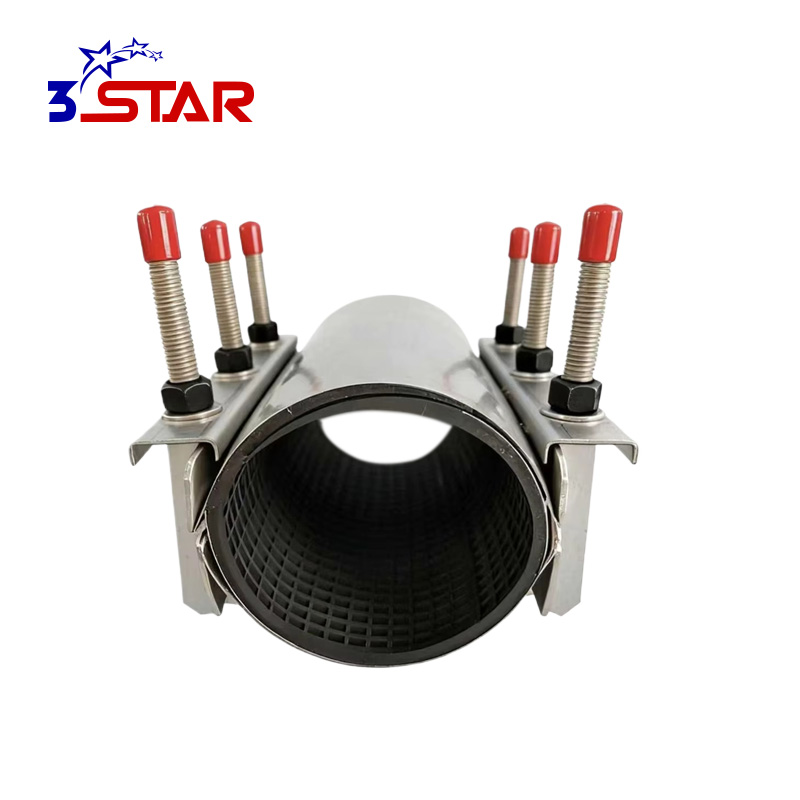
Hose clamps are essential components used to secure hoses in automotive, industrial, marine, agricultural, and plumbing systems. Whether you are using a stainless steel hose clamp, worm drive hose clamp, T-bolt clamp, or heavy-duty hose clamp, proper installation and maintenance are critical to ensuring leak-free performance.
However, even high-quality hose clamps can experience problems if they are improperly selected, installed, or exposed to harsh operating conditions. In this guide, we'll explore the most common hose clamp issues, their causes, and practical solutions to help improve system reliability and reduce maintenance costs.
Incorrect clamp size
Insufficient tightening torque
Hose material expansion and contraction
Continuous vibration in the system
Low-quality clamp materials
Choose the correct hose clamp size for the hose diameter.
Use a high-quality stainless steel hose clamp with strong clamping force.
Apply the manufacturer's recommended tightening torque.
For high-vibration environments, consider using a T-bolt clamp or heavy-duty hose clamp.
Regularly inspect hose connections in automotive engines, industrial machinery, and HVAC systems where vibration is common.
Clamp is too loose
Damaged or aged hose
Uneven clamping pressure
Incorrect clamp type
Re-tighten the hose clamp to the specified torque.
Replace worn or cracked hoses.
Ensure the clamp is positioned directly over the fitting barb.
Upgrade to a worm drive hose clamp or double bolt hose clamp for higher sealing performance.
Always inspect both the hose and clamp when troubleshooting leaks. Replacing only the clamp may not solve the problem.
Exposure to moisture or chemicals
Saltwater environments
Low-grade steel materials
Use 304 stainless steel hose clamps for general industrial applications.
Use 316 stainless steel hose clamps for marine and chemical environments.
Replace corroded clamps immediately to avoid sudden failures.
For outdoor installations, marine equipment, and chemical processing plants, always select corrosion-resistant stainless steel clamps.
Excessive tightening torque
Using a clamp that is too small
Thin-wall or soft hose materials
Follow recommended torque specifications.
Use wider-band hose clamps to distribute pressure evenly.
Select clamps designed specifically for silicone or rubber hoses.
Over-tightening can be just as harmful as under-tightening. Proper torque control extends the service life of both the hose and the clamp.
Poor-quality manufacturing
Excessive mechanical stress
Corrosion weakening the band or screw
Incorrect clamp selection
Purchase from a reliable hose clamp manufacturer.
Use heavy-duty hose clamps for high-pressure applications.
Replace damaged clamps immediately.
Select clamp materials suitable for the operating environment.
Routine inspections can identify cracks, rust, or deformation before complete failure occurs.
Excessive tightening force
Repeated adjustments
Low-quality screw housing
Replace the damaged clamp.
Choose premium worm drive hose clamps made from stainless steel.
Use proper installation tools and torque settings.
Avoid using power tools that can easily over-tighten clamp screws.
Clamp lacks sufficient clamping force
Incorrect clamp design for the application
High operating pressure
Upgrade to a T-bolt clamp or double bolt hose clamp.
Verify hose compatibility with operating pressure requirements.
Ensure proper clamp positioning.
High-pressure systems require specialized industrial hose clamps rather than standard worm gear clamps.
Improper installation
Damaged clamp band
Misaligned hose connection
Reinstall the clamp evenly around the hose.
Replace distorted or damaged clamps.
Verify that the hose is fully seated on the fitting.
Uniform pressure distribution improves sealing performance and prevents premature hose wear.
Selecting the correct hose clamp is the first step in preventing common installation and maintenance issues. Consider the following factors:
Hose diameter
Operating pressure
Temperature range
Environmental conditions
Chemical exposure
Vibration levels
Popular options include:
Worm Drive Hose Clamps – Ideal for general industrial and automotive applications.
T-Bolt Clamps – Suitable for high-pressure and heavy-duty systems.
Spring Hose Clamps – Excellent for applications involving thermal expansion.
Double Bolt Hose Clamps – Designed for large-diameter hoses and industrial equipment.
Stainless Steel Hose Clamps – Offer superior corrosion resistance and durability.
Most hose clamp problems can be traced back to improper selection, installation errors, environmental factors, or inadequate maintenance. By choosing the right stainless steel hose clamp, worm drive hose clamp, or heavy-duty hose clamp for your application, you can significantly improve system reliability and reduce downtime.
Regular inspections, proper torque application, and selecting high-quality products from a trusted hose clamp manufacturer are the keys to preventing failures and ensuring long-term performance.
Looking for premium-quality hose clamps for industrial, automotive, marine, or agricultural applications? Contact our team today to find the right clamping solution for your project.
 Hot News
2026-03-25
2026-03-19
2026-03-11
2026-03-04
2026-02-27
2026-02-07
 EN
EN