Зохистой ховдлын суулгах ажил — индустриал, автомашин, барилга, HVAC-ийн хоолойн системд надёжнүүрт бүтэц бүтээх нүүрсгүй баатар юм. Даже Samsung Hose Clamps-ийн өндөр чанарын ховдлууд ч зохистой суулгагүй тохиолдолд гэмтмүүрт үр дүн үзүүлж, үнэт хоолойн урсгал, хоолойн гэмтэл, системийн ажиллах цагийн таслал, түүн дотроо аюулгүй байдлын аюулд хүргэдэг. Ховдлыг илүүтдүүрт суулгахаас хүрээлэн орших деталд тохирохгүй бүрдүүлэх хүртэл олон суулгах алдаа санаа хүртэлхүүн, зөв практик ашиглан саархуулж болдог. Энэ статтая нь хамгийн түгээмүүр ховдлын суулгах алдаанууд, түүний үр дүн, хүчтүүрт, урсгалгүй тогтоох ажилд шүүлтүүрт арга замуудыг онцлогтой харуулж, Samsung Hose Clamps-той хамтран ажиллахын хэрэгцээ, зохистой суулгах ажилд хялбаршруулж болохыг тайлбарлаж буй.
1. Илүүтдүүрт суулгах: Хоолойд & ховдлыд нүүрсгүй аюул
Хамгийн тархмал алдааны нэг нь хурдлаж бүрхүүрүүдийг илүүднүүр хатгах явдал юм, үүний шалтгаан нь ихэвчлэн «төвдүүр — илүү сайн» гэсэн худал үзэл юм. Хатгаж бүрхүүрүүдийн бат бүрхүүрлэл нь чухал бөлгөөн бөлгөөн бөлгөөн бөлгөөн бөлгөөн бөлгөөн бөлгөөн бөлгөөн бөлгөөн бөлгөөн бөлгөөн бөлгөөн бөлгөөн бөлгөөн бөлгөөн бөлгөөн бөлгөөн бөлгөөн бөлгөөн бөлгөөн бөлгөөн бөлгөөн бөлгөөн бөлгөөн бөлгөөн бөлгөөн бөлгөөн бөлгөөн бөлгөөн бөлгөөн бөлгөөн бөлгөөн бөлгөөн бөлгөөн бөлгөөн бөлгөөн бөлгөөн бөлгөөн бөлгөөн бөлгөөн бөлгөөн бөлгөөн бөлгөөн бөлгөөн бөлгөөн бөлгөөн бөлгөөн бөлгөөн бөлгөөн бөлгөөн бөлгөөн бөлгөөн бөлгөөн бөлгөөн бөлгөөн бөлгөөн бөлгөөн бөлгөөн бөлгөөн бөлгөөн бөлгөөн бөлгөөн бөлгөөн бөлгөөн бөлгөөн бөлгөөн бөлгөөн бөлгөөн бөлгөөн бөлгөөн бөлгөөн бөлгөөн бөлгөө......
Үүнээс зайлшгүй бүрхүүрүүдийн үйлдвэрлэгчдийн зөвлөмүүр хурдлаж бүрхүүрүүдийн хурдлаж бүрхүүрүүдийн хурдлаж бүрхүүрүүдийн хурдлаж бүрхүүрүүдийн хурдлаж бүрхүүрүүдийн хурдлаж бүрхүүрүүдийн хурдлаж бүрхүүрүүдийн хурдлаж бүрхүүрүүдийн хурдлаж бүрхүүрүүдийн хурдлаж бүрхүүрүүдийн хурдлаж бүрхүүрүүдийн хурдлаж бүрхүүрүүдийн хурдлаж бүрхүүрүүдийн хурдлаж бүрхүүрүүдийн хурдлаж бүрхүүрүүдийн хурдлаж бүрхүүрүүдийн хурдлаж бүрхүүрүүдийн хурдлаж бүрхүүрүүдийн хурдлаж бүрхүүрүүдийн хурдлаж бүрхүүрүүдийн хурдлаж бүрхүүрүүдийн хурдлаж бүрхүүрүүдийн хурдлаж бүрхүүрүүдийн хурдлаж бүрхүүрүүдийн хурдлаж бүрхүүрүүдийн хурдлаж бүрхүүрүүдийн хурдлаж бүрхүүрүүдийн хурдлаж бүрхүүрүүдийн хурдлаж бүрхүүрүүдийн хурдлаж бүрхүүрүүдийн хурдлаж бүрхүүр......
2. Хурдлаж бүрхүүрүүдийн хэмжээ ба бүрхүүр/хоолойн диаметрт тохирохгүй байх
Хоолойн эсвэл цөвөрхний гадаад диаметрт (ГД) хэт их юм уу хэт бага хэмжээтэй хавчигч суулгах нь үлдэх алдааны нэг. Хавчигч хэт сул байвал гулзайх, холболтыг тааруулах, урсгалын газрын үүсэх шалтгаан болой. Хавчигч хэт бага байвал түүнийг суулгахад хүндэтгэл шаардагдаж, түүн дээр тэнцүү бус хавчигч хүч үйлчилж, хоолойн гэмтэл үүсгэж, даралт юм уу хөдөлгөөн үүсгэх үед хавчигч хугарж магадгүй.
Яаж саархуулах: Хавчигч сонгохын өмнө хоолойн юм уу цөвөрхний ГД-ийг калибрээр нарийн хэмжих. Хавчигчийн зохицуулалтын хүрээ хэмжсэн ГД-т тохирохыг хангах. Samsung Hose Clamps бүх төрлийн стандарт ба захиалмуйн хэмжээтэй хавчигчид, а также таны тодорхой хэрэглээд тохирох хавчигч сонгохын тулд мэргэжлийн зөвлөгөө үзүүлдэг — хэмжээний тааруулалт үүсгэхгүй.
3. Материалын х совместимостьг хаях
Ховхордогчийн материал нь хоолойн/цувдлын материал болон орчинтой нийцжүүр, коррози, химийн урвал эсвэл цагаан үеийн дунд хурдан дуусалт үүсэхийг саархуулжүүр. Жишээлбэл, чийгт бүрхүүлд эсвэл химийн бодисын нөлөөнд үлдэх нөхцөлд нүүрст төмөр ховхордогч ашиглах нь рүст үүсгэж, ховхордогчийн бат бүтэн байдлыг сулруулж, урсгалын гэмтэл үүсгэнэ. Түүнчлэн, өндөр температурт ажиллах нөхцөлд пластик ховхордогч ашиглах нь түүний газархайршлыг хурдасгаж, бат бүтэн тааралдахыг хангахгүй.
Яаж саархуулах вэ: Ховхордогчийн материал нь ажиллах нөхцөлтүүдтэй нийцжүүр. Samsung Hose Clamps компани өөрсдийн ховхордогчидын хүрээлэнд коррози төдийлэн төвөгтэй нөхцөлд зориулж 304/316 шүүрт төмөр, хүнд нөхцөлд зориулж нүүрст төмөр, бага даралт, гигиен-критик нөхцөлд зориулж пластик ховхордогчидыг саналд тавьжүүр — ийнхүү ямар нөхцөлд ч, ямар шингэнд ч нийцжүүр, материалд холбоотой суулгах алдааны тоог бүүр бүүр бууруулжүүр.
4. Хоолойн холбогчид болон ховхордогчидын муу тааралдах
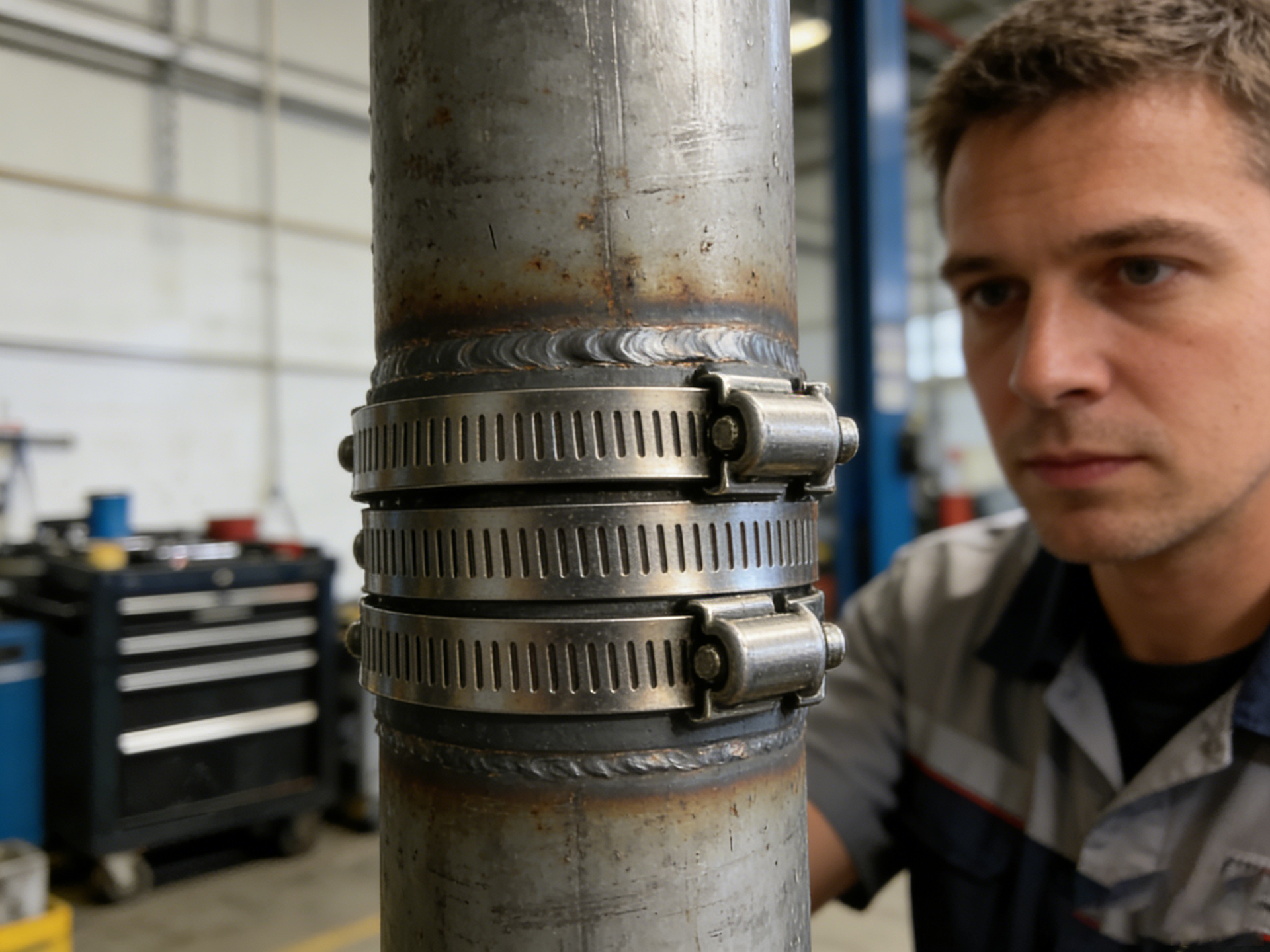
Хавчкуудыг суурьлуулахын өмнө хоолой, гуурс эсвэл холбогч хэсгүүдийн төвтөшгүй байх нь тархимт даралтын цэдүүд үүсгэнэ. Хоолойн хүрхрүүлэлт юм уу холбогч хэсгүүдийн төвтөшгүй байх нь хавчкуудын тархимт хүч үйлчилүүлэхийг хүчирхүүлж, урсгалын газрын үүсэх газар үлдээдэг. Энэ алдаа түүнчлэн бага зайнуудад түүнд холбогч хэсгүүдийг хурдан бүтэн хийх гэж суурьлуулагчид төвтөшгүй байхыг харахгүй үлдээдэг.
Яаж саархуулж болох вэ: Хавчкуудыг хатгахын өмнө хоолой, гуурс, холбогч хэсгүүд шулуун бөгөөртөн зөв төвтөшгүй байхыг хангаж. Төвтөшгүй байхыг хялбархан хийх хавчкуудыг ашиглаж — Samsung Hose Clamps-н хүн төрөлхтний хувьд тохиромжтой дизайн нь бага зайнуудад ч зөв байрлуулалтыг хялбархан хийхийг хангаж, нэгтгүй хавчкуудын хүч, урсгалын газрын үүсэхгүй бүтэн хавчкуудын хүчийг хангаж.


 Дуудлага
 EN
EN